
Last updated November 20, 2026
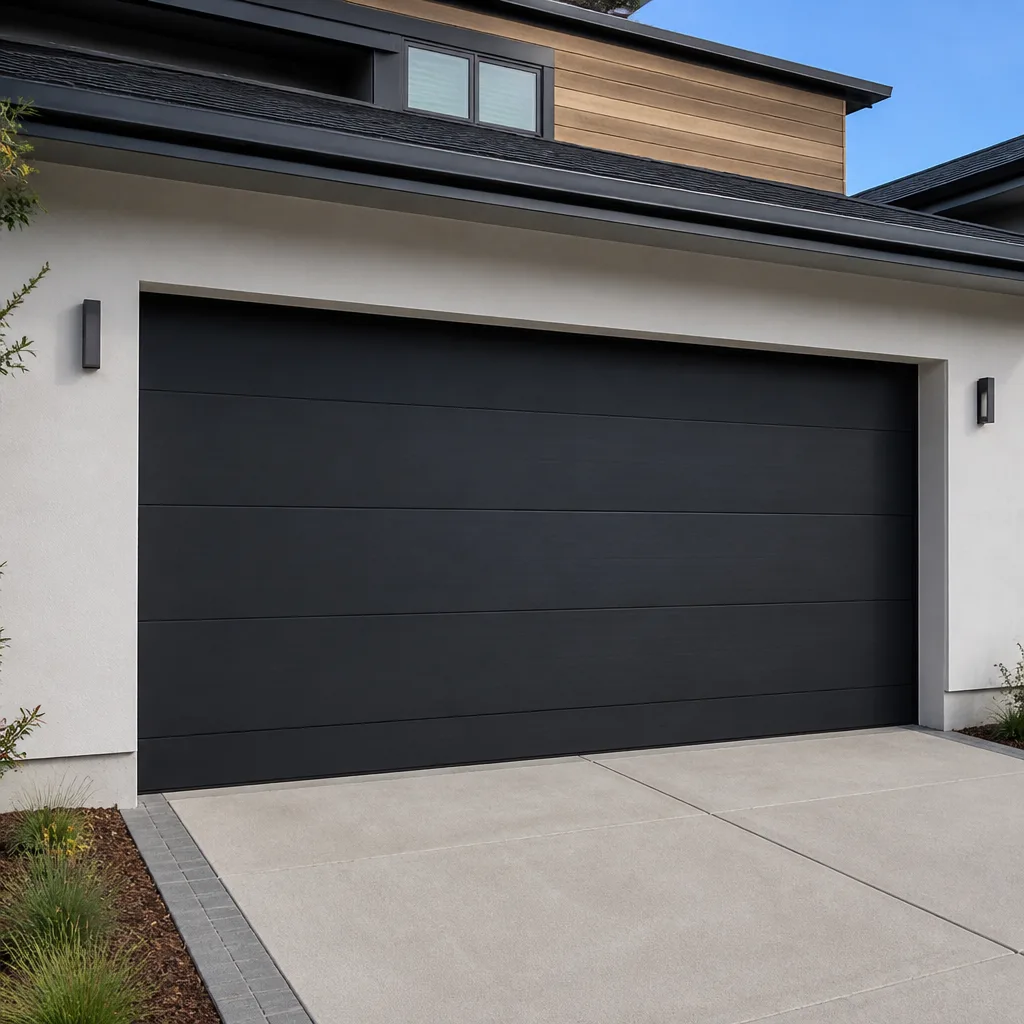 Modern flush
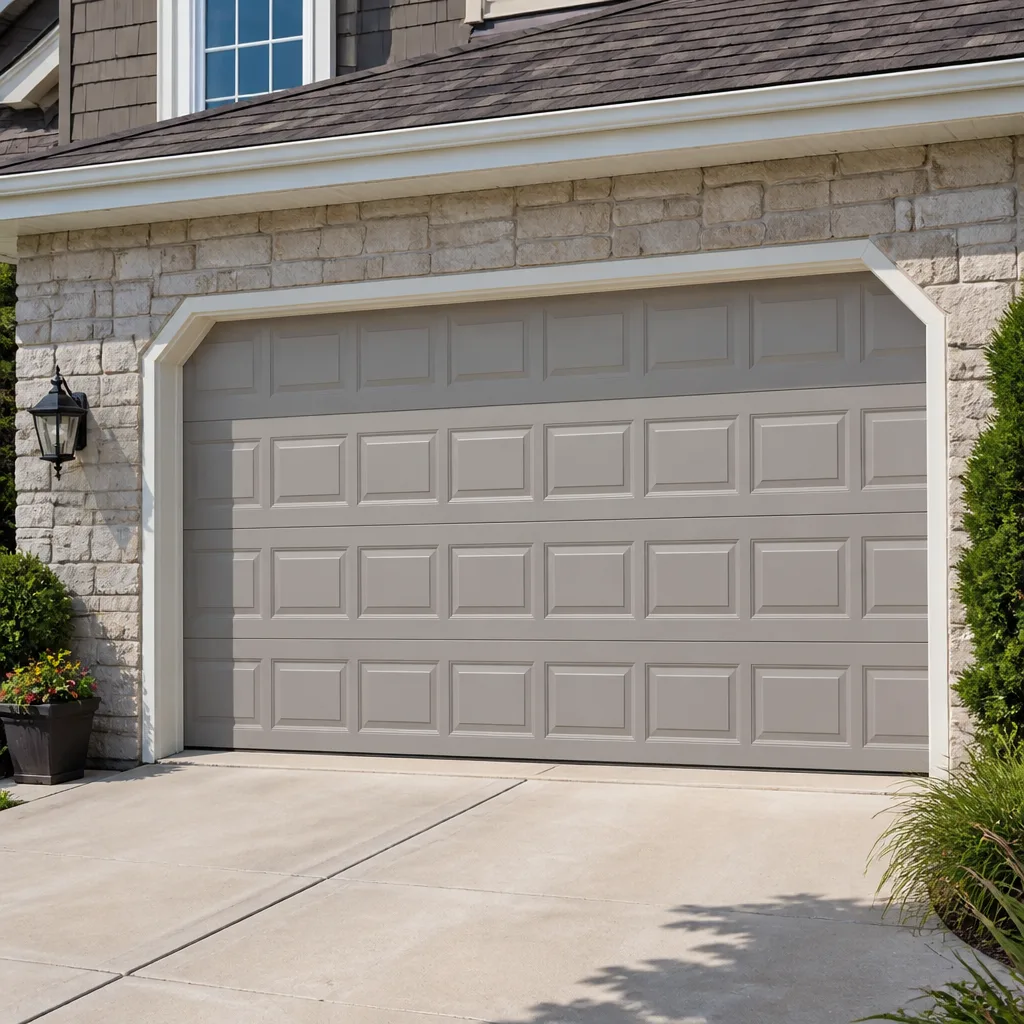 Raised-panel steel
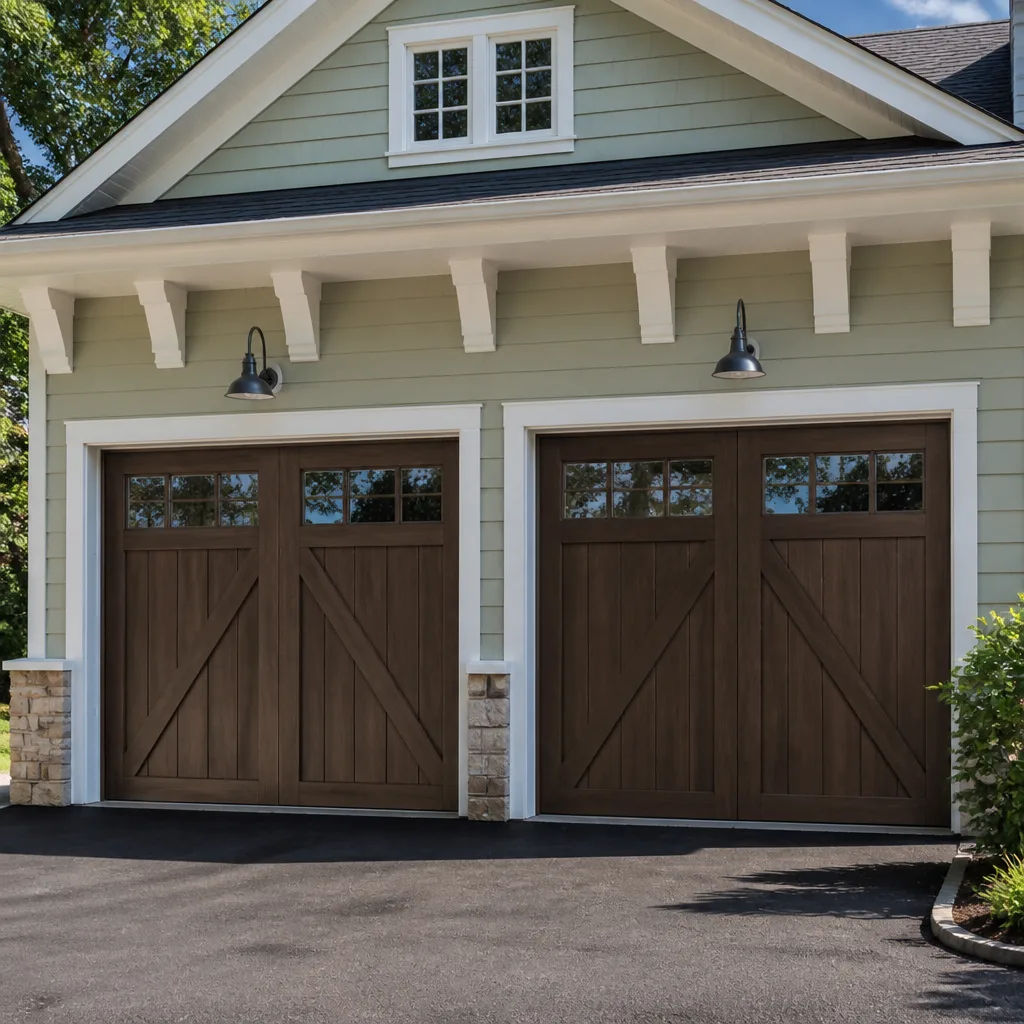 Carriage house
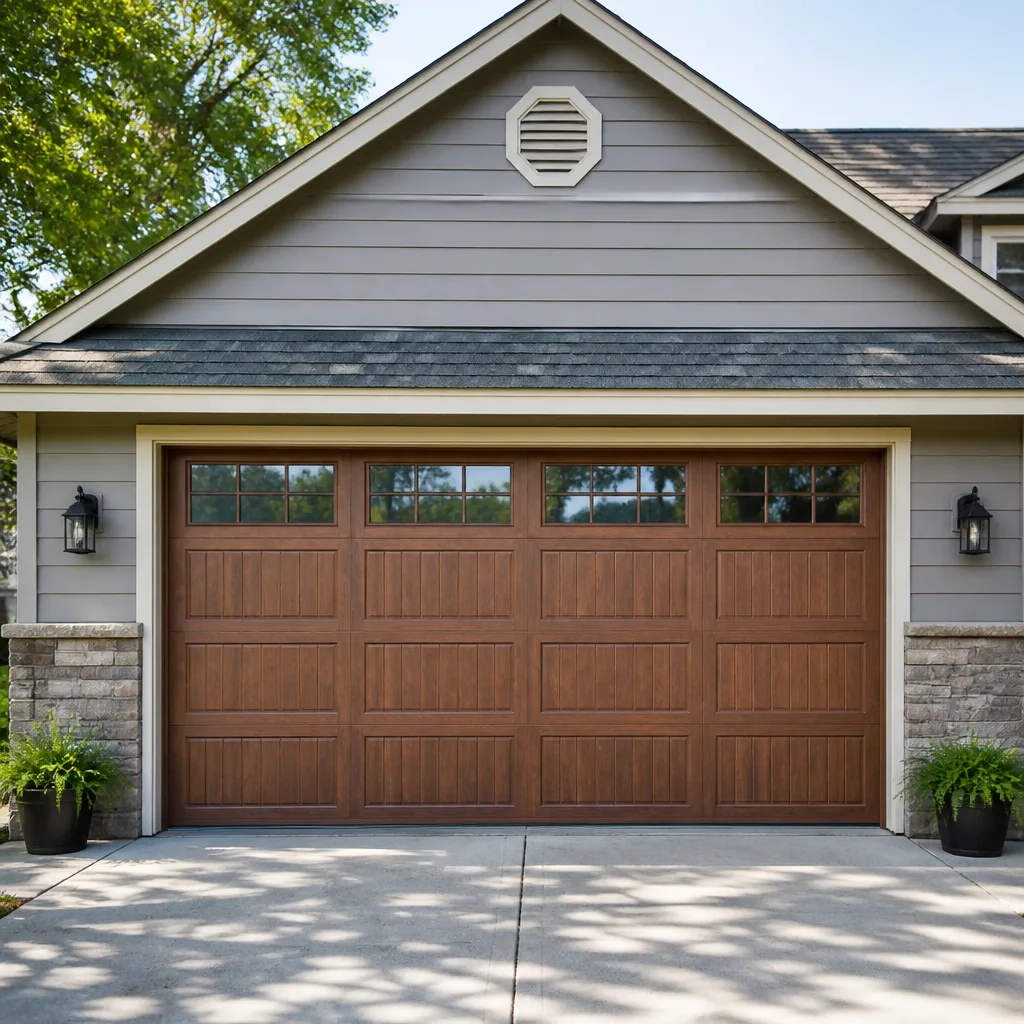
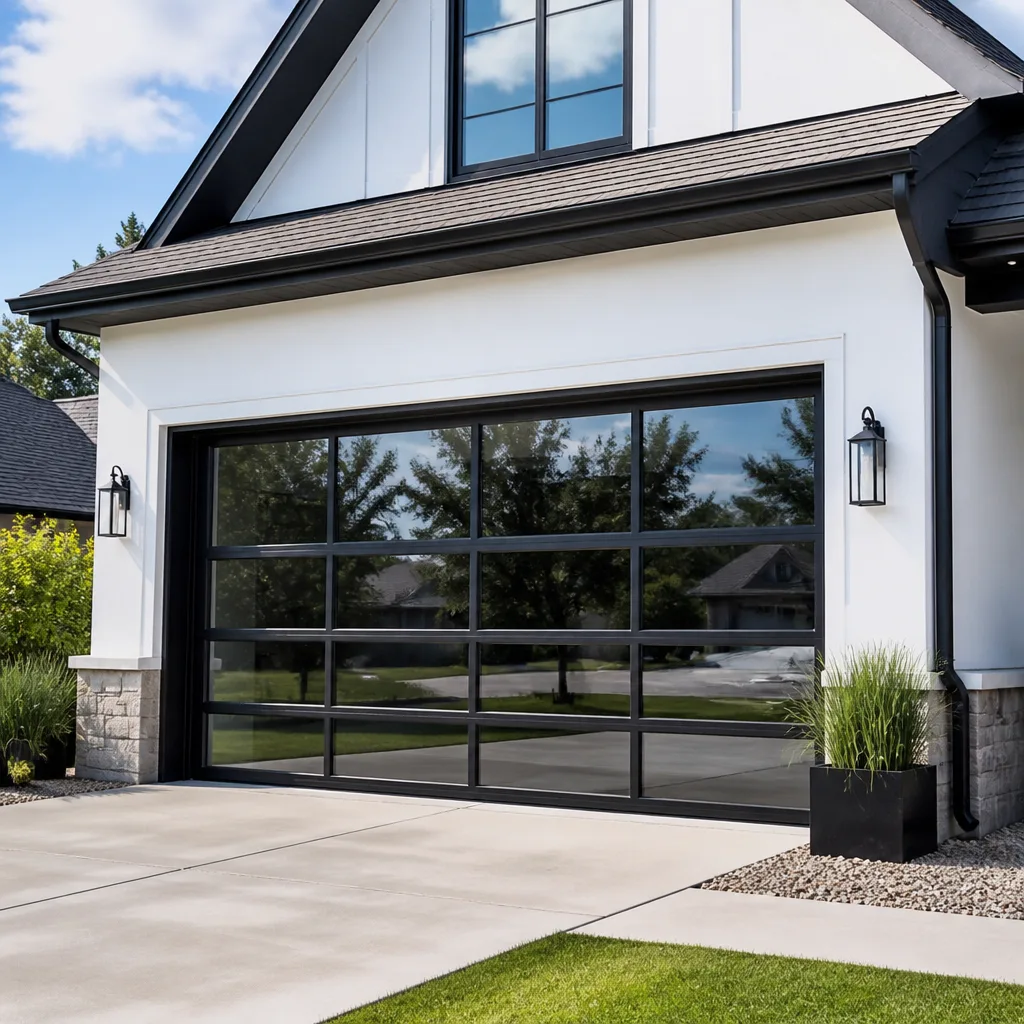 Full-view glass
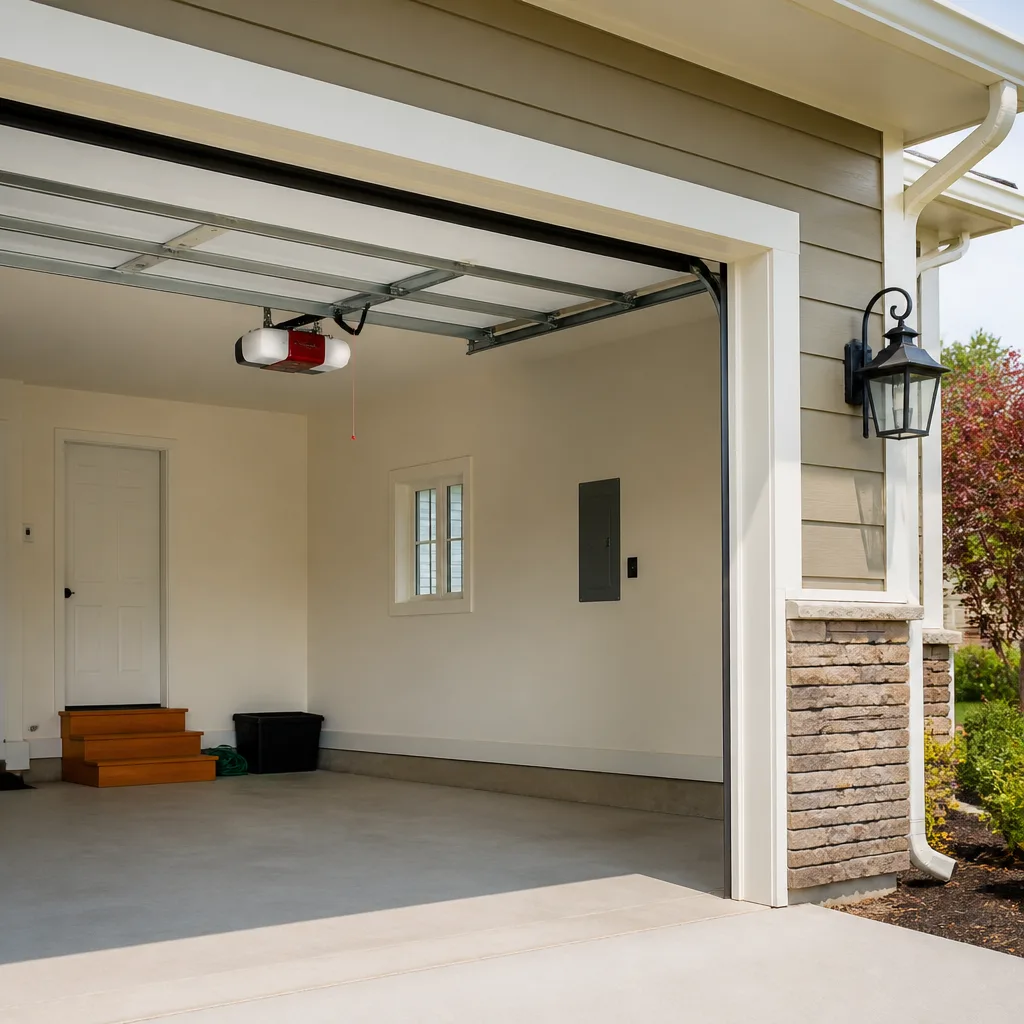 LiftMaster openers
 Chamberlain openers
Full 25-point door and opener safety check with every visit - springs, cables, rollers, tracks, and your LiftMaster or Chamberlain opener included
You get a price before we start. It does not change when the pro arrives.
Get your free estimateGarage Door Permits, Codes & Inspections in Flushing, NY: What You Need to Know
Most Flushing homeowners assume a garage door is a private, personal thing: you own it, you replace it, nobody else has a say. In New York City, that assumption can cost you. Swapping a door isn’t the same as adding one or altering the opening, and the difference between those jobs decides whether the city wants a filing, an inspection, or nothing at all. The confusing part is that a permit-exempt repair looks almost identical to a permit-required alteration until an inspector or a title search asks the question. This guide walks through the NYC DOB threshold, what New York City Building Code Section BC 3405 means for garage door openings in existing one- and two-family homes, how a compliant contractor handles the permit process start to finish, and how to check your own property for open violations before you schedule anything in Flushing.
Quick Answer
In Flushing, a straight garage door replacement in kind usually does not need a NYC DOB permit, but any change to the structural opening, header, width, height, or the addition of a new opening generally does. Alterations to existing one- and two-family homes fall under New York City Building Code Section BC 3405, and attached garages must use a fire-rated door that meets the code spec. Get the answer in writing from the contractor and confirm it with your local DOB office before work begins.
Styles & brands we work with
- Raised-panel steel
- Carriage house
- Modern flush
- Full-view glass
- LiftMaster openers
- Chamberlain openers
Table of Contents
- The NYC DOB Permit Threshold: Repair vs. Replacement vs. Structural Alteration
- How NYC Building Code Section BC 3405 Applies to Garage Door Openings
- What a Compliant Permit Process Looks Like Start to Finish
- How to Check for Open DOB Violations Before You Schedule Work
- Fire-Rated Doors for Attached Garages: Which Products Meet Spec
- What a Garage Door Inspection Actually Covers
- When a Flushing Homeowner Can Skip the Permit (and When They Can’t)
- Brand-Specific Compliance: LiftMaster, Wayne Dalton, Raynor, and Craftsman
The NYC DOB Permit Threshold: Repair vs. Replacement vs. Structural Alteration
This is the section that matters most. The city does not care about the door itself so much as it cares about the opening. If you cut a new hole in a wall, widen an existing opening, change the header, or alter how the opening carries load, that work is a structural alteration, and in most cases it requires a filing with the NYC Department of Buildings. If you pull a damaged door off its existing track and hang a new door of the same dimensions on the same opening with the same hardware layout, that’s a replacement in kind, and it usually stays on the permit-exempt side.
The grey zone is what trips up Flushing homeowners, especially in the older detached and semi-detached homes around Murray Hill and Broadway-Flushing where the original garage was built decades ago and later remodeled by a previous owner. A door that overlaps the header, a track that’s wall-mounted through drywall someone added on top of the original framing, a low-headroom situation solved with a different track configuration: these start to brush against structural changes, and that’s where the permit question becomes real.
Here’s the simplest way to categorize what you’re planning:
- Same-size door, same track, same opening: replacement in kind, typically permit-exempt.
- Same opening, upgraded door (insulation, window, material): still a replacement, typically permit-exempt, but fire-rating matters for attached garages (more on that below).
- New opening, widened opening, altered header, changed load path: structural alteration, permit required in most cases.
- Converting a garage to living space: a use change, permit required, and outside the scope of garage door work alone.
- Replacing a garage door on a commercial property in Flushing’s downtown core: different rules often apply to light commercial; confirm with the DOB before assuming exemption.
The rule of thumb we give Flushing customers is: if the door can be removed and a new one installed without the opening itself changing, you’re probably fine. If the opening itself is being modified, assume a permit is needed and build the filing time into your schedule. For a straight repair or replacement, see our garage door repair page for how the work itself runs.
How NYC Building Code Section BC 3405 Applies to Garage Door Openings
Section BC 3405 of the New York City Building Code addresses existing buildings, including one- and two-family homes that predate current code. In plain terms, BC 3405 governs how alterations to existing structures are treated: what work must be brought up to today’s code, what work is grandfathered, and what work triggers a filing. In the garage context, that means a straight door swap on an unaltered opening is treated one way, while changes to the opening in an older home can pull in upgrade requirements beyond the door itself.
What BC 3405 doesn’t do is give you a pass on safety. Even grandfathering an existing opening, the door still has to be installed in a way that operates safely, and if you’re touching anything structural, the new work has to comply with current code. That distinction is why the permit question is never a one-word answer. It depends on the specific home.
Flushing is a mixed-bag housing stock. The brick rowhouses off Main Street, the post-war capes closer to Whitestone, the two-family homes near Kissena Park: each may fall under a different set of assumptions about what structural work already exists, what was filed with the DOB when it was built, and what subsequent owners have changed. Not knowing the history of the house is exactly why a contractor should ask before quoting a structural job.
Two things we look at before deciding whether BC 3405 forces a filing:
- The original CO (Certificate of Occupancy) for the property. It tells you what the garage was legally built as and sometimes indicates the door opening spec.
- The DOB’s property records. If a prior alteration is filed, the current work is measured against that record, not against the 1930s original.
If the opening is changing, ask the contractor to walk you through BC 3405 compliance before signing anything. It’s the difference between a clean job and a paper trail that shows up ten years later.
What a Compliant Permit Process Looks Like Start to Finish
When a permit is required, the process is not a mystery, but the responsibility is worth spelling out. The permit is pulled by the licensed contractor doing the work, not by the homeowner. The filing is under the contractor’s registration, and the contractor is on the hook for the inspection and compliance. The homeowner pays for the permit fees, but the paperwork obligation is the contractor’s.
Here’s the sequence a compliant job follows:
- Scope confirmed in writing. The contractor identifies exactly what about the opening is changing and writes it into the estimate. Vague scope is where permits get skipped by accident.
- Pre-filing review. The contractor checks DOB records for the property: prior alterations, open violations, CO status. This step alone prevents surprises weeks later.
- Permit application filed with the NYC DOB. Plans and the appropriate application go to the DOB. For minor work, this can be an over-the-counter filing; for more involved structural work, expect a longer review.
- Permit issued. Nothing starts until the permit is in hand. Don’t be talked into starting work to “save time.” That move creates the violation you’ll be trying to clear when you sell.
- Work performed to the filed scope. Any deviation from the filed plans needs to be reconciled before inspection.
- Inspection by a DOB inspector. The inspector checks that the installed work matches the filed drawings and complies with the code at installation.
- Sign-off and job filing closed. This is the piece most homeowners forget to confirm. An open permit, even after the work is done, can show up as a violation on a title search.
If you want a new door on a new opening, our garage door installation page covers how a full measure, order, and install runs for Flushing homes. If a door has failed and you need it fixed before the permit question even comes up, that’s an emergency call, not a filing: call (855) 337-1761. We answer 24/7. Fast dispatch from 7am to 7pm, Sunday through Friday.
How to Check for Open DOB Violations Before You Schedule Work
An open DOB violation on your property freezes things you don’t expect. Financing, refinancing, title transfer, and sometimes even insurance renewals can stall on a violation you didn’t know existed. Flushing homeowners should check their property’s DOB record before any garage work, not after. In our experience, most of what shows up is leftover from a prior owner’s job that was abandoned mid-filing, and clearing it is a phone call and a filing rather than a nightmare.
The check itself is straightforward:
- Look up the property on the NYC DOB online records system. Enter the address, review the complaint and violation history, and check the permit filings list.
- Review the certificate of occupancy. Make sure what’s on record for the garage matches what’s actually there.
- Look for open permits. A permit that was issued and never inspected or closed is effectively an open item.
- If anything is unresolved, ask a licensed contractor to help you read it. Not every item on the record is a problem; some are informational. A contractor who works in Flushing knows which ones matter.
There’s no shortcut here. The Flushing seller who gets a call from an attorney asking about an open item is having a bad week. The one who checked ahead is having a normal week. If you’re buying in Flushing, this check belongs on your due-diligence list right next to the home inspection.
Fire-Rated Doors for Attached Garages: Which Products Meet Spec
If the garage is attached to the house, the wall and door between them are part of the home’s fire separation. New York City code expects a door on that opening that resists fire for a period of time, and the door has to actually be rated for that use. The rating matters more than the label the door arrives with. A standard insulated garage door is not automatically fire-rated.
What a compliant setup looks like for an attached garage in Flushing:
- A door labeled and documented for the required fire rating. The spec plate, the manufacturer’s documentation, and the listing all need to align with the code requirement for the opening.
- A properly labeled door, not a claimed one. A contractor telling you a door is fire-rated is not the same as a door that carries the documentation. Ask for the spec sheet.
- Self-closing and self-latching where required. Depending on the configuration, hardware on the door between the garage and the house has to make it close and latch on its own.
- Intact fire separation around the opening. The drywall, framing, and seal around the door are part of the assembly. A rated door on a broken wall doesn’t do its job.
None of the eight brands we work on most (LiftMaster, Chamberlain, Genie, Clopay, Amarr, Wayne Dalton, Craftsman, Raynor) sells a single fire-rated product line across the board. Fire-rated doors are spec’d per application, which is why the contractor has to match the door to the wall, not the other way around. Ask your contractor to show you the rated product documentation before installing, and confirm the requirement with the NYC DOB if the wall is being altered at all.
If a fire-rated door on an attached garage is what you’re after, we can quote the door and handle the opener separately. LiftMaster and Chamberlain openers are what most Flushing attached-garage doors are paired with, and getting the opener’s travel limits and force settings right for a heavier rated door is a real step, not a plug-and-play job.
What a Garage Door Inspection Actually Covers
Two different inspections happen on a garage door, and they’re often confused. There’s the DOB inspection that verifies a permitted alteration was built to the filed plans. And there’s the safety inspection a technician performs when they’re called out to service a door, whether or not a permit exists. The DOB inspection is about paperwork and compliance; the safety inspection is about whether the door will hurt someone next week.
A safety inspection covers the parts of the system that carry load or store energy:
- Springs and cables. Tension, wear, and connection points. High-tension springs and cables are the most dangerous component of a garage door. Do not attempt to adjust, release, or replace them yourself; that’s work for a trained professional.
- Track and rollers. Alignment, wear, and any bend that’s putting uneven load on the door.
- Hinges and fasteners. Loose or missing fasteners, worn hinges at the panel joints.
- Bottom bracket and lift cables. The bracket at the bottom of the door carries a lot of energy. It’s a serious-injury component and it’s handled with the door properly de-tensioned.
- Opener safety reverse. The opener should reverse when it meets an obstruction. That test is on every service call we run on a LiftMaster, Chamberlain, Genie, or Craftsman unit, and yes, it’s a code-adjacent item, even if nobody files a permit to check it.
- Weather seal and bottom rubber. Small thing, but a failed seal lets water and rodents into an attached garage and drags a door’s balance out of alignment.
If the DOB inspection is what’s pending on your property, the inspector isn’t testing your safety reverse. They’re confirming the work matches the filing. Those are different jobs, and they don’t overlap as much as homeowners assume.
When a Flushing Homeowner Can Skip the Permit (and When They Can’t
Most of the door work Flushing homeowners call about does not require a permit. A broken spring, a snapped cable, a dead opener, a dented panel, a door off-track: none of these are permit items. They’re repair items. The permit question only shows up when the opening itself is being altered, or when the door being installed is on an attached garage and the fire-rating spec needs to be met.
The situations where you can safely skip the permit step:
- Replacing the door in kind with the same dimensions and the same track configuration.
- Repairing a spring, cable, roller, hinge, or opener (no structural change).
- Replacing an opener with a same-size, like-for-like unit.
- Cosmetic changes to the door surface (paint, hardware swap, new windows of the same size).
The situations where you can’t:
- Widening or heightening the opening, or adding a new opening in a wall.
- Changing the header or any load-bearing element around the opening.
- Converting a garage into habitable space (a use change).
- Any work on an attached-garage fire separation where the wall assembly changes.
If you’re unsure which side of the line your project falls on, that’s the moment to get a contractor out for a walkthrough. Our Garage Door Repair Flushing homepage lists the full scope we handle, and our garage door opener repair page is where to start if the mechanical side of the door is where the problem lives.
Brand-Specific Compliance: LiftMaster, Wayne Dalton, Raynor, and Craftsman
Brand doesn’t usually change the permit question, but it changes the installation details that a DOB inspector or a fire marshal will look at if the work is ever inspected. Flushing homes carry a mix of brands, and knowing what each one brings to a code-sensitive install makes the walkthrough faster.
LiftMaster and Chamberlain openers are the most common units we see on Flushing attached-garage doors. In a fire-rated install, the opener’s force settings and travel limits have to be tuned to the door weight, and the safety reverse test is documented before the job closes. If the door is a heavier rated door, the opener’s spec sheet needs to support it. A light-duty opener on a heavy rated door is a real problem regardless of permit status.
Wayne Dalton and Raynor doors come up often on Flushing two-family homes and light commercial properties along Main Street. Both brands publish spec documentation per model line, and the install side of a code-sensitive job is where that documentation matters. In our experience, having the spec sheet in hand at the walkthrough eliminates half the back-and-forth with the DOB when a fire-rated install is on the table.
Craftsman openers on older Flushing homes are still running strong, and when a door is being replaced and the existing Craftsman opener is being retained, the opener has to be re-tuned to the new door weight. That’s a mechanical question, not a permit question, but it’s the kind of detail a generalist contractor skips.
A dedicated garage door specialist who works on all four brands can quote the door and the opener together without a second trip. That’s the whole point of working with one trade rather than a company that also does HVAC and plumbing.
Common Mistakes to Avoid
- Assuming a full door swap needs no permit because it’s “just a replacement.” In-kind replacement usually avoids the filing. Anything that changes the opening is a different story. If you’re widening, adding, or altering the opening, ask the DOB before the door is ordered.
- Letting the contractor start work before the permit is issued. Starting early to “save a couple of weeks” is how open violations get created. The weeks gained never equal the months it takes to clear a violation at sale.
- Forgetting to confirm the job filing was closed. An issued permit that was never inspected or signed off sits on the property record. It comes up on title searches and financing requests.
- Skipping the DOB property check before selling. Pull the record, look for open items, and clear them ahead of listing. In Flushing’s competitive market, this is the kind of pre-listing step that prevents a deal from stalling at attorney review.
- Installing a standard insulated door on an attached garage. A non-rated door on the fire separation is a code problem, not just a comfort problem. Ask for the rated product documentation.
- Pairing a light-duty opener with a heavier rated door. The opener and the door are one system for force, travel, and reverse. Mismatching them is a safety issue and a code-compliance issue at the same time.
- Using a generalist contractor for a code-sensitive install. Multi-trade companies divide attention. A dedicated garage door specialist works with the door, the opener, the track, and the fire-rating spec on every job, which makes the code side of the work a routine conversation instead of a discovery.
See the difference
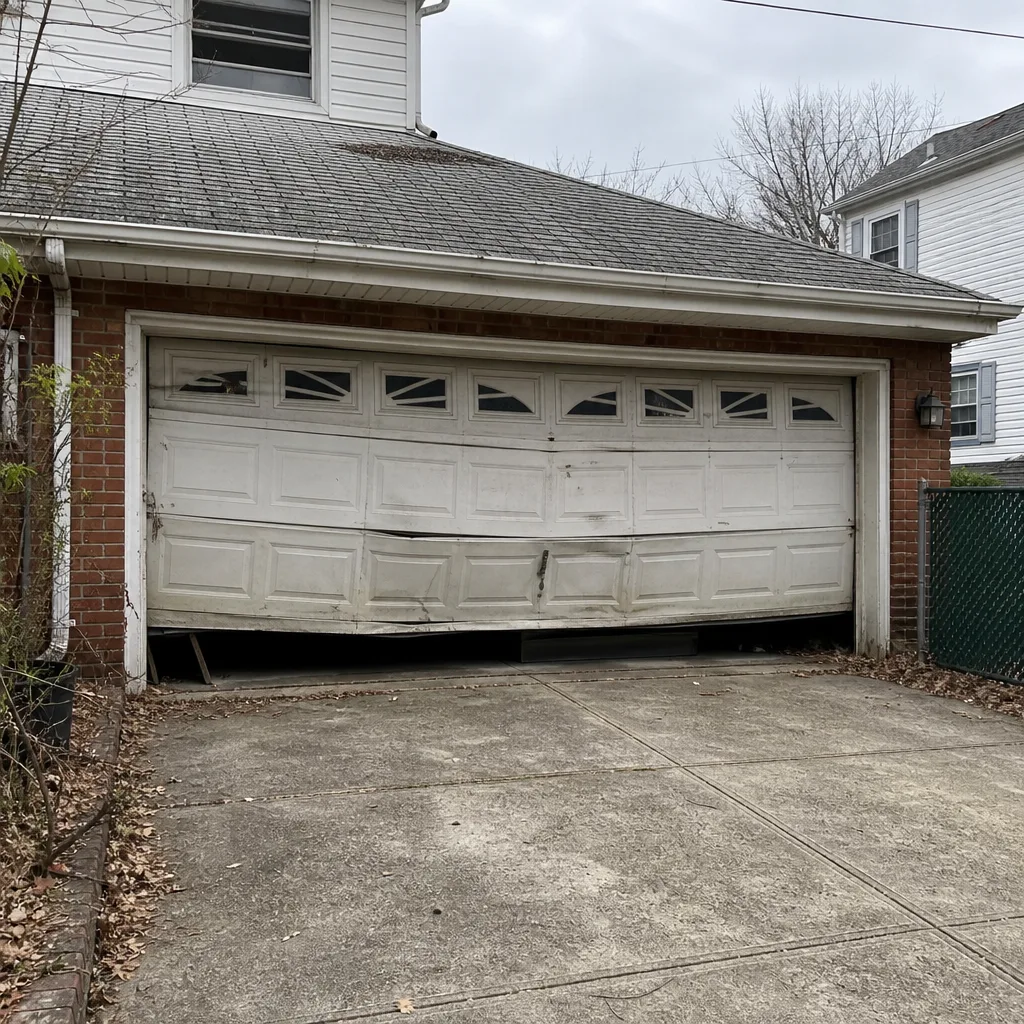 Before
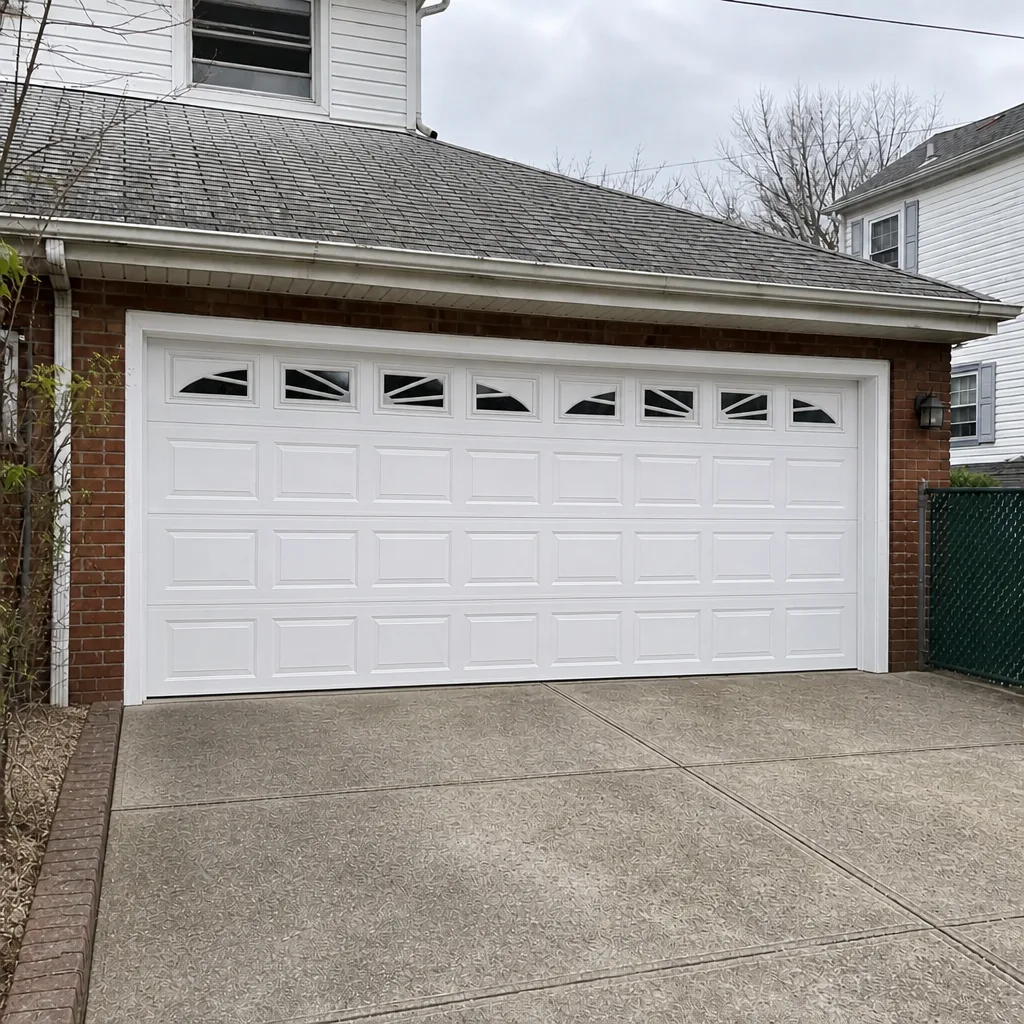 After
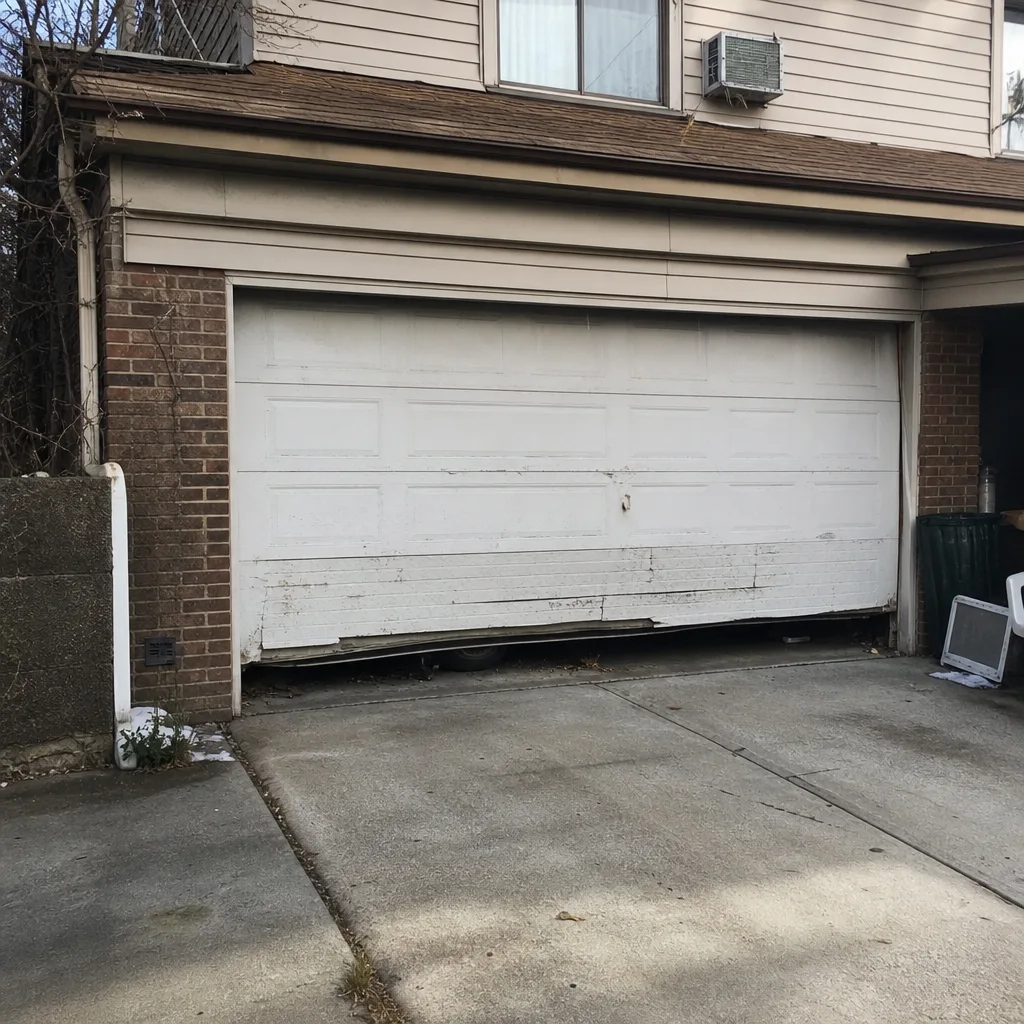 Before
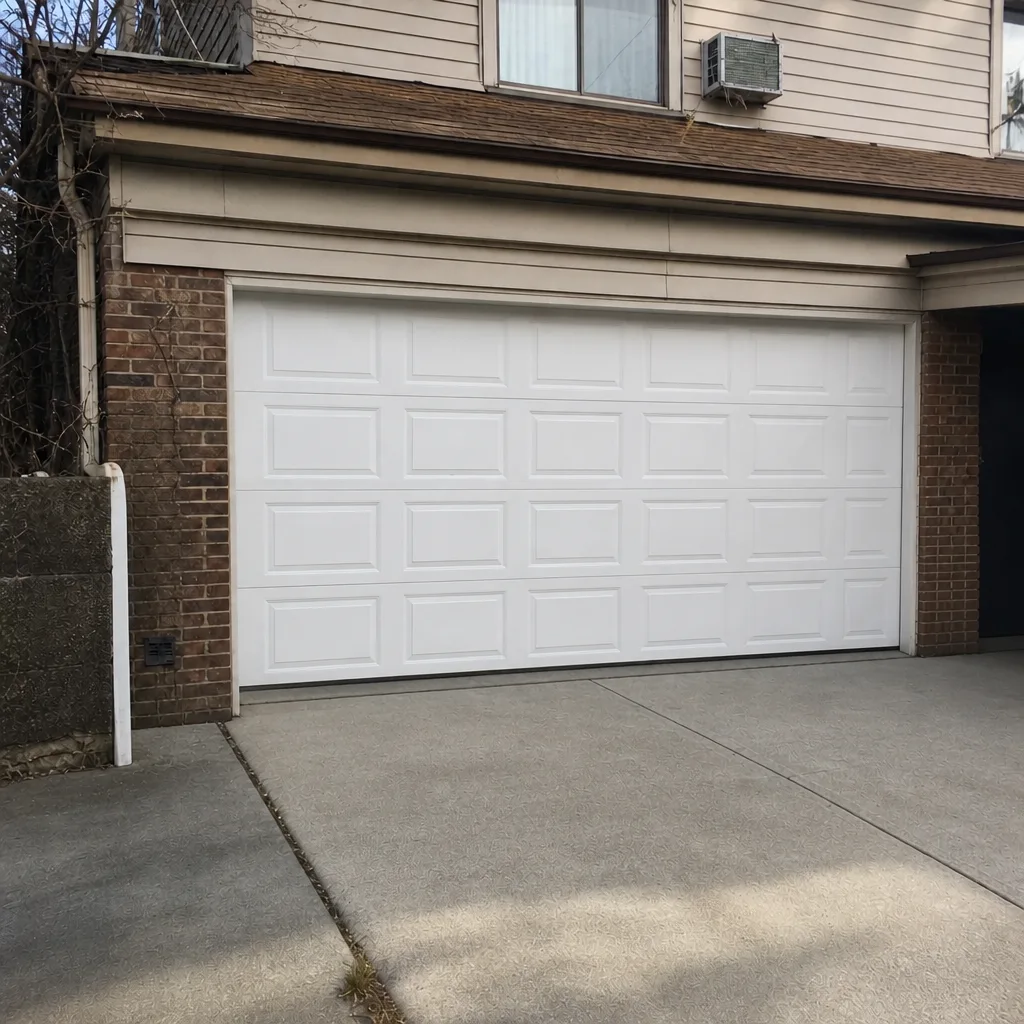 After
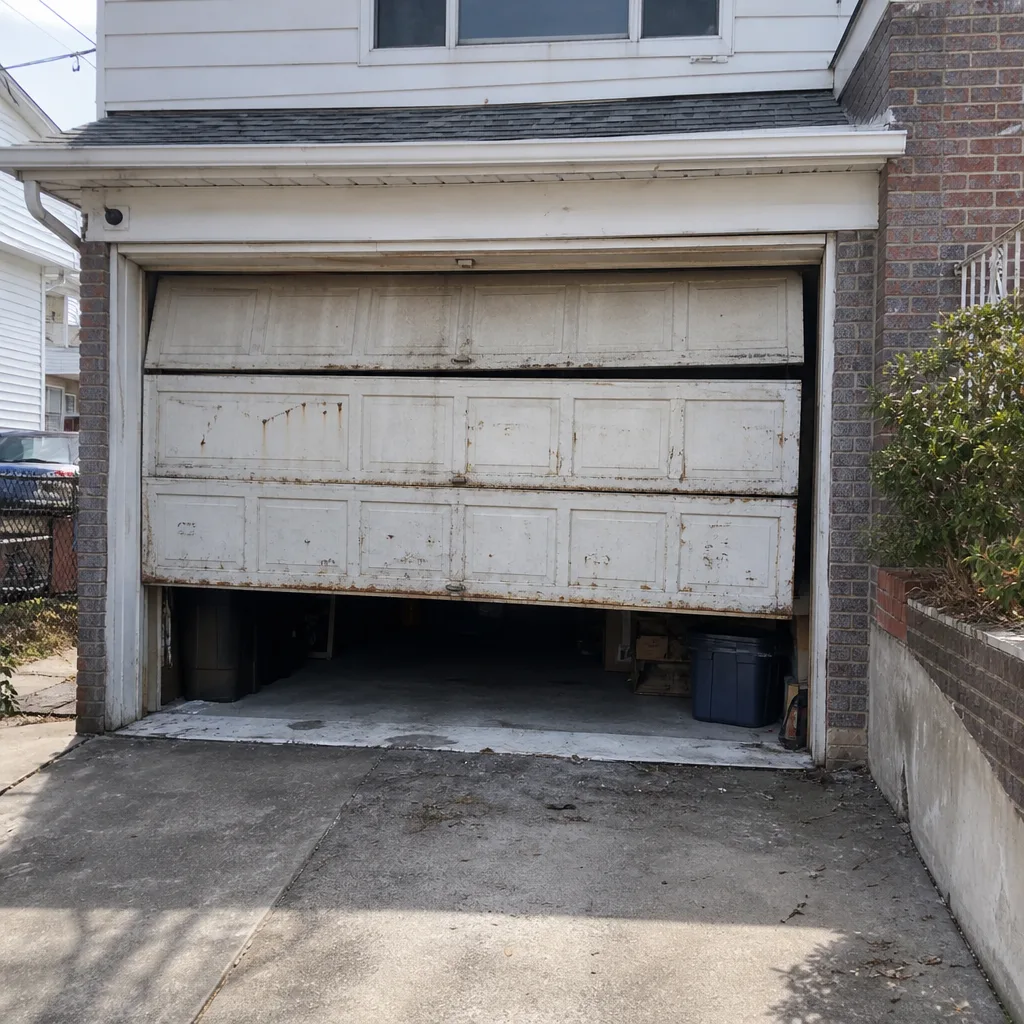 Before
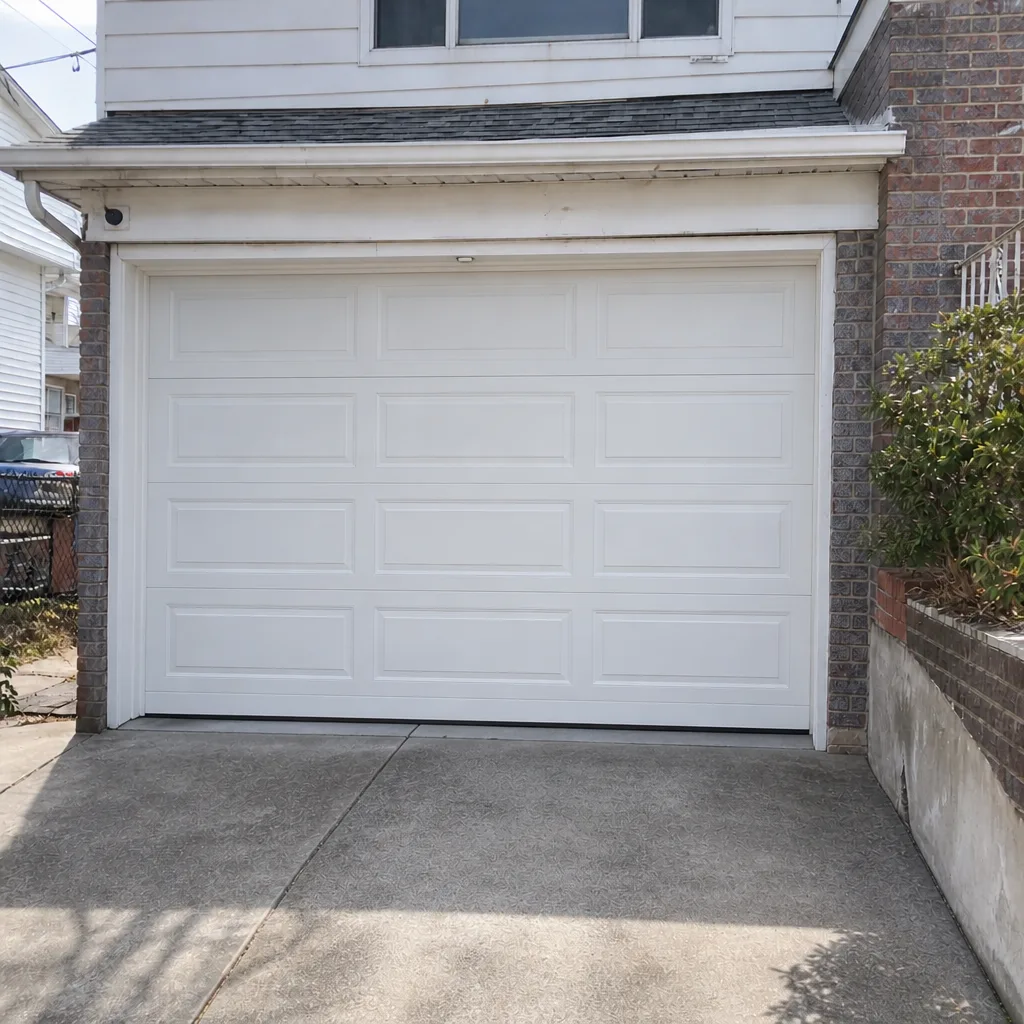 After
When to Call a Professional
Some garage door issues are fine to look at and think about. Others aren’t. A broken high-tension spring, a snapped lift cable, or a door hanging off its track is a stop-what-you’re-doing situation, because a spring or cable under tension can cause serious injury. Don’t try to adjust, release, or replace those components yourself. A garage door that won’t open, an opener that reverses for no reason, a door that stops halfway, a fire-rated door that’s not latching: all of these are worth a professional look, and the sooner, the better. Garage Door Repair Flushing offers free estimates in Flushing. Call (855) 337-1761. We answer 24/7. Fast dispatch from 7am to 7pm, Sunday through Friday. Our technicians have up to 11 years of experience, and we work on your brand, whether that’s LiftMaster, Chamberlain, Genie, Clopay, Amarr, Wayne Dalton, Craftsman, or Raynor.
Frequently Asked Questions
Usually no, if the replacement is in kind and the opening, track, and hardware layout stay the same. If the opening is being widened, heightened, or otherwise structurally altered, a NYC DOB permit is generally required, and the work falls under the existing-building rules of BC 3405. Confirm the specific job with the NYC DOB or your contractor before ordering a door. Call (855) 337-1761 for an exact quote on a replacement; estimates are free.
A permit-exempt repair leaves the opening itself alone: springs, cables, rollers, hinges, openers, and same-size door swaps. A permit-required replacement changes the structure around the opening: new opening, widened opening, altered header, or conversion of the garage space. If the door can come off and a new door of the same dimensions goes on without the frame changing, it’s usually exempt. Anything touching the frame is usually not. Call (855) 337-1761 to walk through your specific job.
Look up your address on the NYC DOB online records system and review the complaint, violation, and permit history. An issued permit that was never inspected and closed shows up as an open item, and so does a violation that was never cleared. If you find something, ask a licensed contractor to help you read what it means before you schedule any work. Call (855) 337-1761 if you want a second set of eyes; estimates are free.
Yes, the door between an attached garage and the living space has to meet the fire separation requirement for the opening, and it has to be documented as meeting it, not just described that way. A standard insulated garage door is not automatically fire-rated. Ask your contractor for the rated product documentation, and confirm the requirement with the NYC DOB if the wall assembly is being altered at all. Call (855) 337-1761 to talk through options for a rated door.
The licensed contractor pulls the permit. The filing goes in under the contractor’s registration, and the contractor is responsible for the inspection and the sign-off. You pay the permit fees as part of the job. If a contractor tells you to pull the permit yourself, that’s a sign they don’t normally do this kind of filing. Call (855) 337-1761 for a free estimate and we’ll walk through the permit scope before you sign anything.
Yes, an open DOB violation or an unclosed permit can stall a sale, slow financing, or surface in the title search process. The exact effect depends on the specific violation and the buyer’s lender, but the safe move is to check the record before listing. If you’ve had garage door work done and never confirmed the filing was closed, that check is worth doing now rather than at attorney review. Call (855) 337-1761 for a free estimate on any corrective work the record turns up.
For the mechanical failure, we can often schedule same-day repair, and we offer emergency garage door service when a door is stuck open, a car is trapped, or a home is left unsecured. The permit side is a separate conversation; it doesn’t hold up a repair that doesn’t change the opening. Call (855) 337-1761. We answer 24/7. Fast dispatch from 7am to 7pm, Sunday through Friday.
The Bottom Line
Garage door permits in Flushing come down to one question: is the opening changing? In-kind repairs and same-size replacements usually don’t need a DOB filing. Structural alterations, widened or added openings, and fire separation changes usually do, and they fall under the existing-building rules in BC 3405. The permit is pulled by the licensed contractor, not by you, and the filing has to be closed with an inspection sign-off, not just issued. Checking your property record for open violations before you schedule work is the single most useful step a Flushing homeowner can take. When the job is a repair or a documented replacement, get it done by a dedicated garage door specialist who works on your brand and can handle the mechanical and code sides together.
Garage Door Repair Flushing offers free estimates across Flushing for repairs, spring replacements, opener work, and new-door installs. Our technicians have up to 11 years of experience and work on equipment from LiftMaster, Chamberlain, Genie, Clopay, Amarr, Wayne Dalton, Craftsman, and Raynor. Call (855) 337-1761 for a free estimate. We answer 24/7. Fast dispatch from 7am to 7pm, Sunday through Friday. The price is quoted and agreed in writing before any work starts, so you know the number before the first door comes off the track.
Written by the team at Garage Door Repair Flushing.