
Last updated November 20, 2026
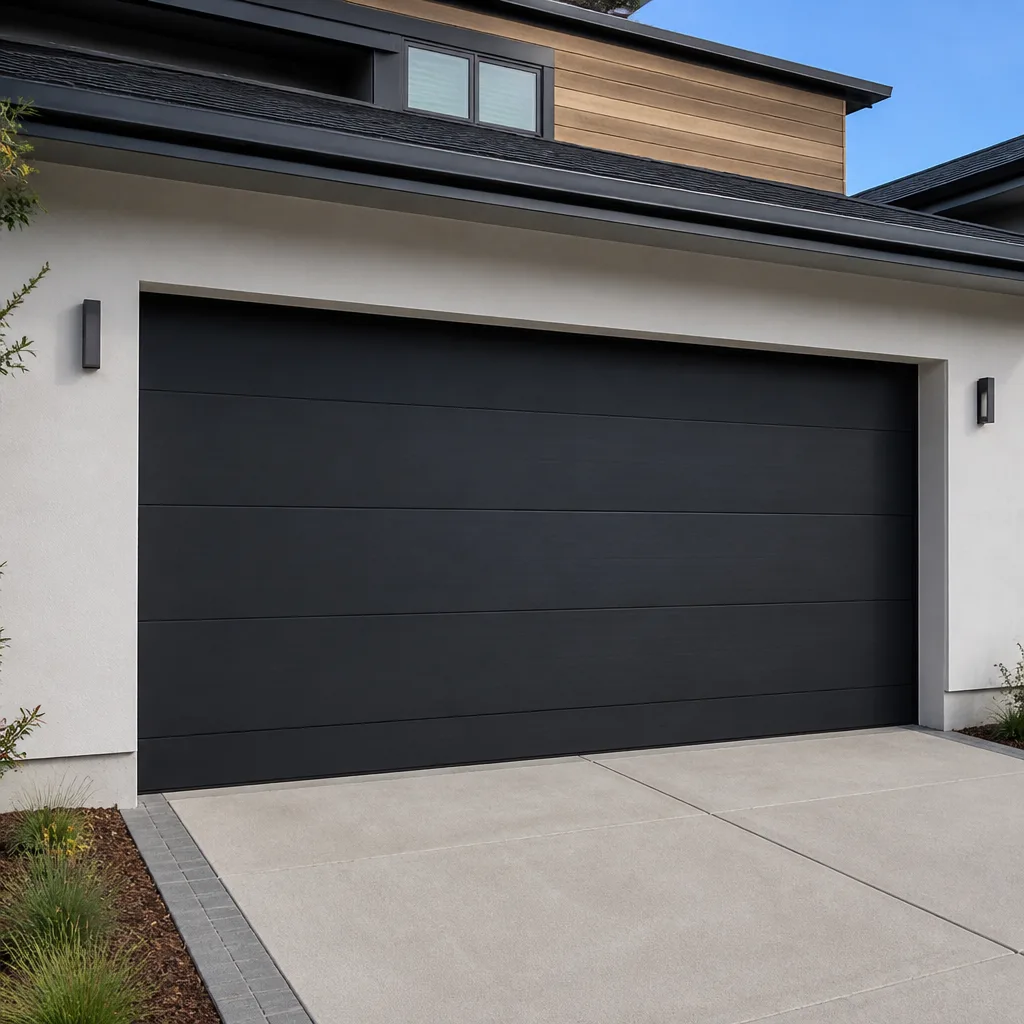 Modern flush
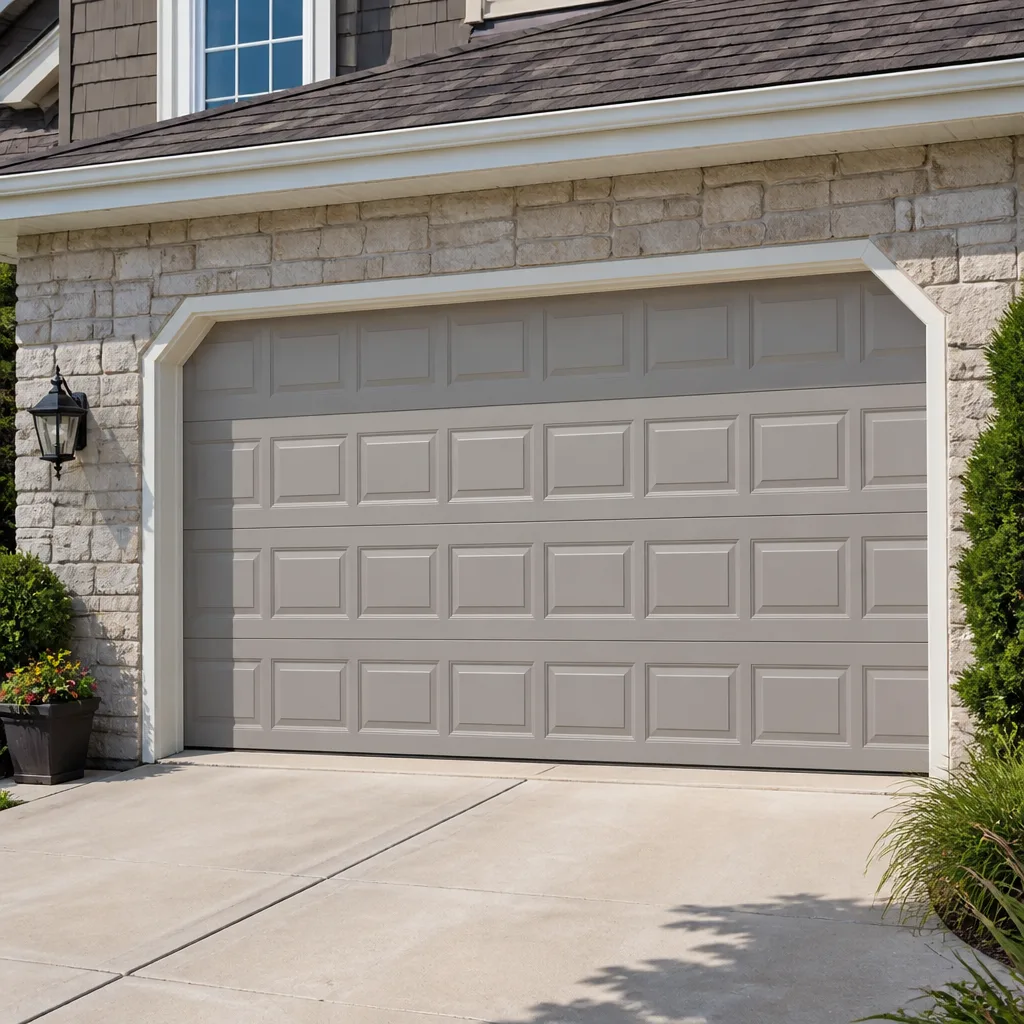 Raised-panel steel
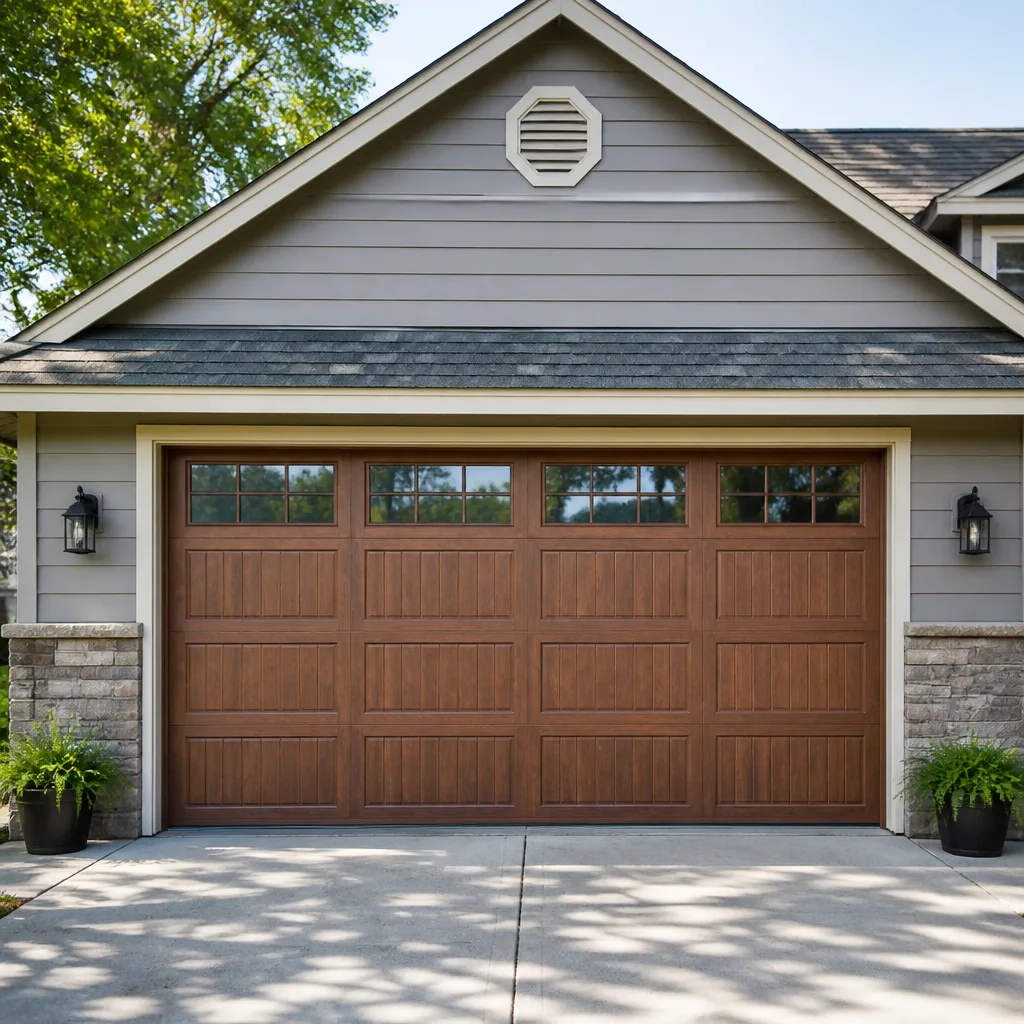
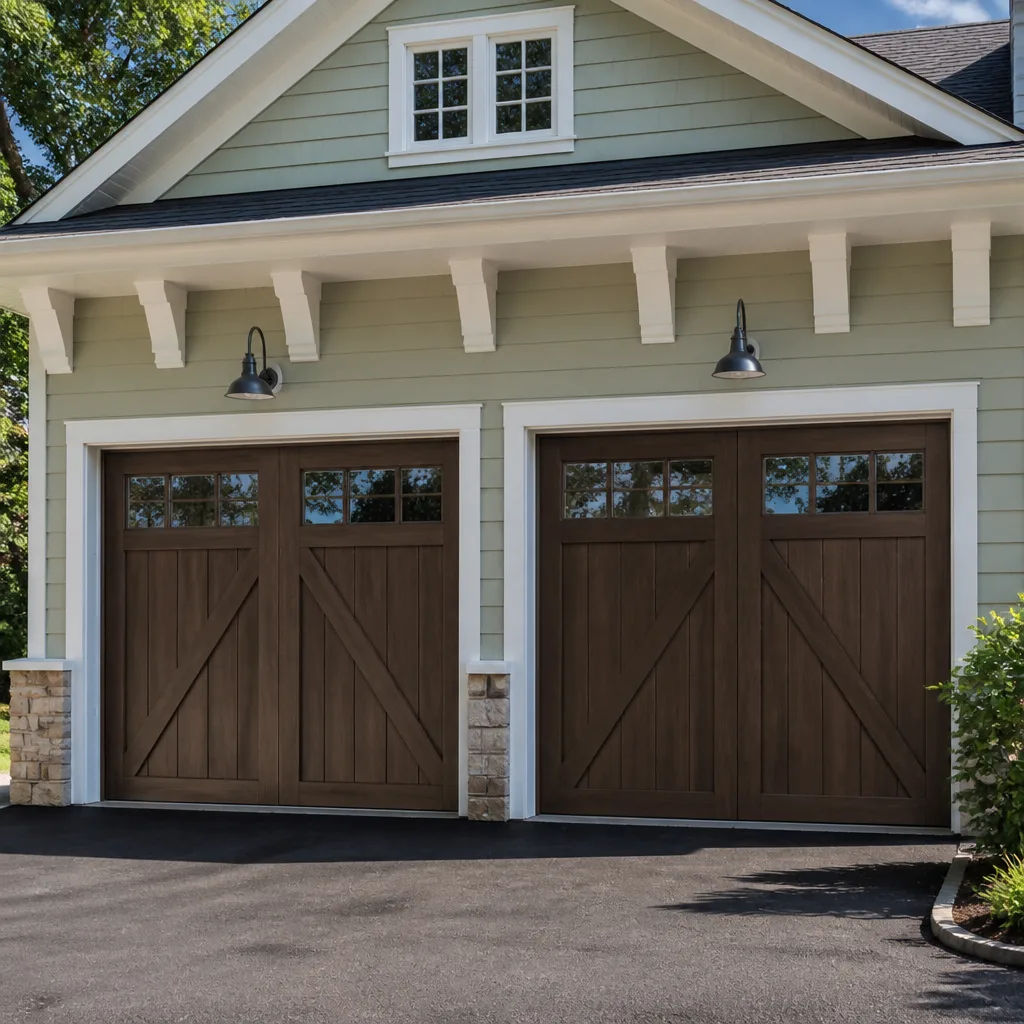 Carriage house
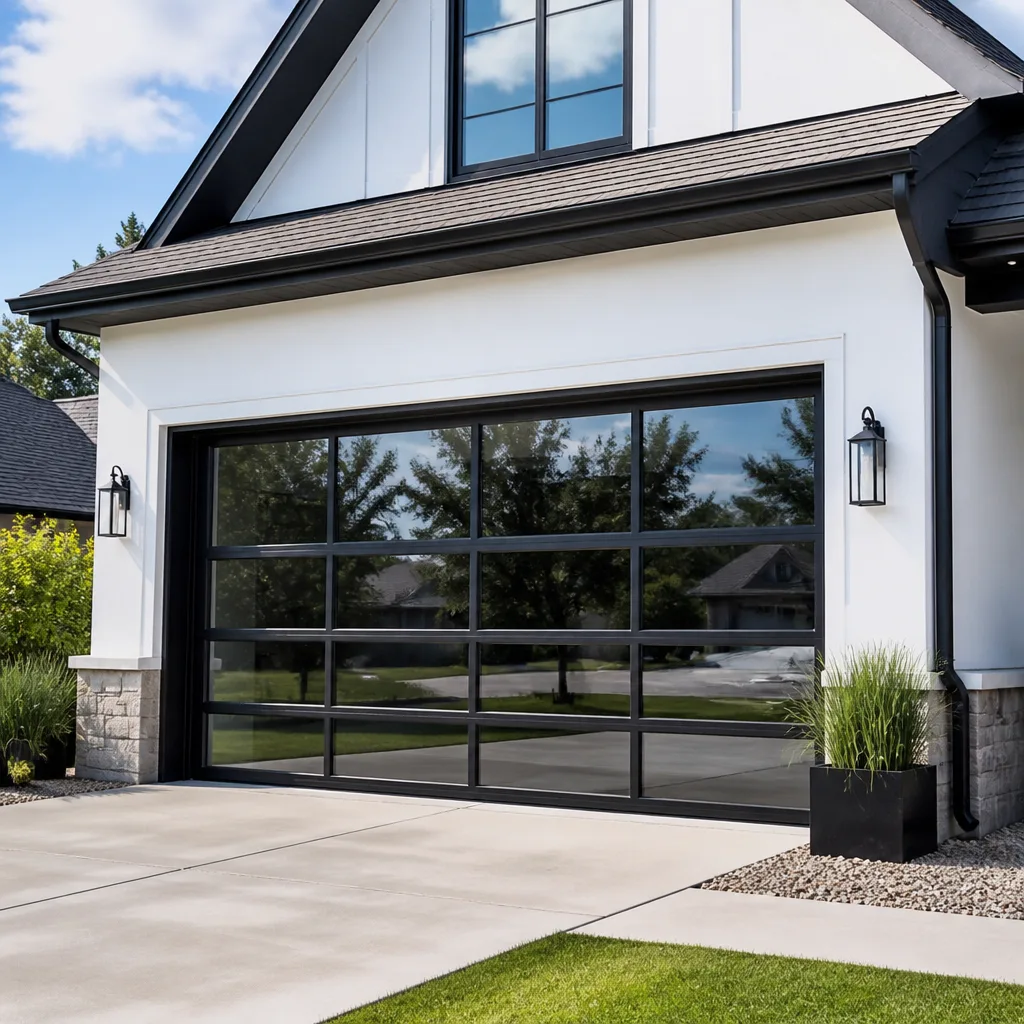 Full-view glass
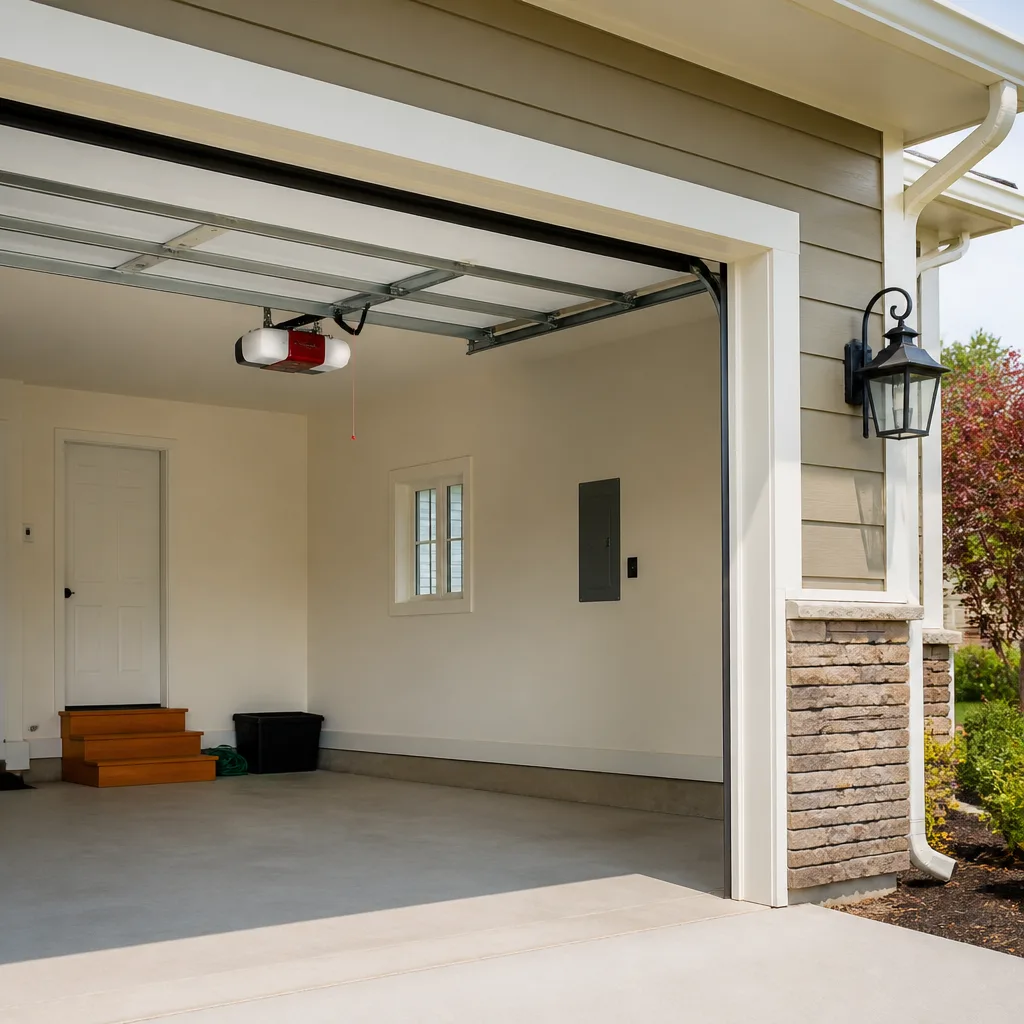 LiftMaster openers
 Chamberlain openers
Full 25-point door and opener safety check with every visit - springs, cables, rollers, tracks, and your LiftMaster or Chamberlain opener included
You get a price before we start. It does not change when the pro arrives.
Get your free estimateThe Complete Guide to Garage Doors in Flushing
Most garage door guides are written for a three-car suburban driveway in Arizona. If your garage sits six feet from the sidewalk in Flushing, that advice can cost you a failed installation and a re-order fee. Urban lots change everything: door width, headroom, track length, even how a technician gets a panel past a parked car. Add aging housing stock, humid Queens summers, and a permitting office that catches homeowners off guard, and you have a set of decisions no national guide covers. This guide maps every one of them, from measuring your opening correctly to choosing a door material that survives Flushing weather.
Quick Answer
Choosing and maintaining a garage door in Flushing comes down to fit, material, and local rules: measure headroom and width before ordering, pick a door sized for a narrow urban lot, insist on galvanized or coated steel for the humidity, and check with the NYC Department of Buildings before a full replacement. Repair decisions are simpler – a broken spring or a door that won’t close is a specialist call, not a handyman job.
Styles & brands we work with
- Raised-panel steel
- Carriage house
- Modern flush
- Full-view glass
- LiftMaster openers
- Chamberlain openers
Table of Contents
- How Flushing’s Urban Lots Change Your Door Measurements
- Which Door Materials Hold Up in Flushing’s Climate?
- Choosing an Opener for a Tight Urban Garage
- Brand Availability and Lead Times in Queens
- NYC Permit Triggers for Full Replacements
- Specialist vs. General Handyman in a Dense Market
- Repair Decisions: What to Fix and What to Replace
- A Maintenance Routine for Flushing Homeowners
How Flushing’s Urban Lots Change Your Door Measurements
On a typical Flushing lot, the garage is squeezed against a property line or set just a few feet from the sidewalk. That changes the numbers that matter when you order a door. Standard single-car doors are 8 or 9 feet wide, but a narrow urban opening may only accommodate 8 feet, and some older Flushing garages were built to dimensions that don’t match any catalog size. Measure the finished opening three times – top, middle, bottom for width, and both sides for height – because old frames are rarely square.
Headroom is the constraint most homeowners miss. A standard torsion-spring door needs about 12 inches of clearance above the opening; low-headroom setups use a different track and spring configuration. If your Flushing garage has a shallow ceiling because a room was built above it, that detail has to be settled before a door is ordered. Side clearance matters too: torsion springs and tracks need room at the sides, and a garage wedged between two walls may need a low-clearance track or a different spring placement.
Driveway length affects how the door behaves in daily use. A short Flushing driveway means the door is fully open and closed constantly, which puts more cycles on the springs and opener. That’s one reason spring failures come sooner here than the national average.
- Measure the opening at three points for width and height.
- Check headroom from the top of the opening to the ceiling.
- Check side room on both sides for tracks and springs.
- Note obstructions – a beam, a pipe, a low ceiling – before ordering.
- Confirm the swing: does the door open inward or outward, and is there room?
Which Door Materials Hold Up in Flushing’s Climate?
Flushing summers are humid and winters swing between freezing and thawing. That cycle is hard on garage doors. Steel is the most common choice, but not all steel is equal. Manufacturers often rate their doors for coastal or humid environments using coating specs like galvanized steel with a baked-on polyester finish and a hot-dipped galvanized layer. What you should demand in a Flushing door is a galvanized steel base with a factory-applied finish, not bare or primed steel. Ask for the coating specification in writing.
Why does corrosion matter more here? Humidity, road splash from nearby commercial streets, and frequent wet-dry cycles attack the bottom section of the door first – the part closest to the ground where water pools. A door with a reinforced bottom section and a factory finish resists this far better than a builder-grade door with a thin coat of paint.
Aluminum and composite doors resist rust well but cost more and can dent. Wood doors look right on some of Flushing’s older homes but need repainting every few years in this climate. If you’re weighing options, the tradeoff is usually maintenance versus appearance.
| Material | Humidity Resistance | Maintenance | Best For |
|---|---|---|---|
| Galvanized steel | Good with factory finish | Low | Most Flushing homes |
| Aluminum | Excellent (no rust) | Low | Modern look, lighter door |
| Composite | Excellent | Low | Wood look without rot |
| Wood | Moderate | Repaint every few years | Historic-style homes |
Choosing an Opener for a Tight Urban Garage
The opener has to match the door and the garage, not the other way around. In a Flushing garage with limited headroom, a ceiling-mounted opener may not fit, and a wall-mount or jackshaft opener becomes the practical choice. Track selection matters too: a low-clearance track lets the door hug the ceiling when there’s not enough room for a standard radius.
Brand familiarity shortens the process. We work with LiftMaster and Chamberlain openers regularly, and we know which models suit a narrow urban garage and which are designed for a wider suburban door. Genie openers are also common on older installations. When the opener and the door are matched correctly, the door runs quieter and the opener lasts longer.
Safety features are non-negotiable. Every opener should have a working safety reversal system and photo-eye sensors. If your current opener predates these, that’s a replacement issue, not a repair one. A door that closes without a functioning safety sensor is a genuine hazard, especially in a home with children or pets.
- Match the opener to door weight and size – a 1/2 HP unit is fine for a standard single door; a double door or heavy insulated door needs more.
- Confirm headroom and track type – low-clearance or wall-mount may be required.
- Check safety sensors and reversal – both must work.
- Confirm remote and keypad compatibility with the brand you choose.
- Test the balance of the door first – a poorly balanced door strains any opener.
If your opener has stopped responding, garage door opener repair is usually faster and cheaper than replacing the unit.
Brand Availability and Lead Times in Queens
Queens distributors stock the major brands, but not every model in every size. A standard 8×7 or 9×7 door in a common color is often available quickly. A custom size, a specialty color, or a premium model can take weeks. That lead time matters if your Flushing garage door is currently broken and you’re deciding whether to repair or replace.
The eight brands we service – LiftMaster, Chamberlain, Genie, Clopay, Amarr, Wayne Dalton, Craftsman, and Raynor – are all widely available through Queens-area suppliers. Raynor and Clopay doors come in a range of residential styles, and Amarr is a common choice for insulated doors. When we know the brand and model of your existing door, we can often source the right panel or section without a custom order, which saves both time and money.
If you’re replacing a door, get the brand and model number from the existing door’s label or from the opener’s documentation. That information lets us tell you quickly whether a replacement section is available or whether a full new door is the better path. For a full replacement, see garage door installation.
- Standard sizes and colors: shorter lead times.
- Custom sizes or premium finishes: longer lead times – plan ahead.
- Brand matching: existing brand and model speed up part sourcing.
- Insulated doors: often a special order in non-standard sizes.
NYC Permit Triggers for Full Replacements
In New York City, a simple like-for-like replacement of a garage door – same size, same opening – usually does not require a permit. But a full replacement that changes the opening, adds a new door where none existed, or alters the structure around it can trigger a permit requirement. The trigger isn’t the door itself; it’s the structural change.
Flushing homeowners get caught off guard when a contractor frames a wider opening or a taller door without checking. That’s when the city gets involved. The safe move is to call your local building department before any structural change and describe exactly what you plan to do. The department will tell you whether a permit is needed. We don’t issue permits, but we can tell you what the installation involves so you know what questions to ask.
Also check whether your property is in a historic district or subject to local design guidelines; those rules can affect exterior door appearance. The building department is the right source for that answer, not a contractor’s opinion.
Specialist vs. General Handyman in a Dense Market
In a dense market like Flushing, a callback is expensive. A handyman who doesn’t keep garage door parts on hand has to source them, and that means a second visit and another scheduling window. A dedicated garage door specialist carries the common parts and knows the brands, so the job is usually done in one trip.
Garage door springs are the clearest example. A torsion spring is under heavy tension, and adjusting or replacing one without the right tools and training is dangerous. A generalist who “does everything” may not have the winding bars or the experience to handle it safely. That’s why we treat spring repair as a named, specialized service rather than an add-on.
Single-trade focus also means the opener gets fixed on the same visit as the door. A generalist may repair the door and leave the opener for “someone else.” With us, the mechanical and electronic sides of the system are handled together, so you don’t need a second company after the first repair.
If your door is stuck or won’t close, call garage door repair rather than a general handyman. It’s the difference between one visit and three.
Repair Decisions: What to Fix and What to Replace
Most Flushing garage door problems fall into a few categories, and each has a clear decision rule. A broken spring, a door that’s off its track, a bent panel, or an opener that won’t respond are all repairable in most cases. A door that’s rusted through at the bottom, badly out of square, or has a cracked and sagging frame is usually a replacement candidate. Age and condition matter more than a single number.
Here’s how a typical repair call goes, in our experience:
- We ask what the door is doing – won’t open, won’t close, makes a noise, off track.
- We check the door’s balance and springs first, since that’s the most common failure point.
- We check the opener and safety sensors next.
- We give you a written price before any work starts, so you know the cost up front.
- We complete the repair and test the door through a full open-close cycle.
Spring repairs typically cost $150 to $350 for one spring, and because springs are usually replaced in matched pairs, a pair runs about twice that. These are typical estimates for the Flushing market; the written estimate sets the final price. We never start work before you’ve agreed to the price.
Suppose the door is older and rusted. In that case, we’ll tell you honestly whether a repair will hold or whether you’re throwing money at a door that’s near the end. For a full replacement, the conversation shifts to door style, material, and sizing.
A Maintenance Routine for Flushing Homeowners
A little maintenance goes a long way in this climate. The humidity and freeze-thaw swings that hit Flushing garages are the same forces that wear down springs, hinges, and rollers. A short routine twice a year keeps the door running smoothly and catches problems before they become emergencies.
- Lubricate the hinges, rollers, and tracks with a garage-door-specific lubricant, not WD-40.
- Test the door’s balance: disconnect the opener and lift the door halfway; it should stay put.
- Check the safety reversal: place an object in the door’s path and confirm it reverses.
- Inspect the bottom seal for cracks or gaps that let water in.
- Look for rust at the bottom section and touch up any bare spots.
- Listen for new noises – grinding or popping usually means a worn part.
Do not attempt to adjust or replace springs yourself. They’re under heavy tension and can cause serious injury. If the door won’t balance or you hear a loud snap, stop using it and call a specialist.
Common Mistakes to Avoid
- Ordering a door before measuring headroom and side clearance. In a tight Flushing garage, a standard door may not fit, and a re-order fee plus a second wait is the result.
- Choosing a door by price alone. A builder-grade door with a thin finish corrodes faster in this climate; the coating spec matters more than the sticker price.
- Hiring a general handyman for a spring repair. Springs are under extreme tension; a specialist with the right tools is the safe choice.
- Assuming no permit is needed for any replacement. Like-for-like is usually fine, but a structural change to the opening can trigger a permit; check with the building department first.
- Ignoring the opener when the door is repaired. A worn opener on a freshly repaired door may fail soon after; have both checked together.
- Skipping lubrication in humid months. Flushing summers accelerate wear on hinges and rollers; a twice-yearly lube prevents most of it.
- Letting a small rust spot grow. The bottom section is the first to go; touch up bare steel before it spreads.
See the difference
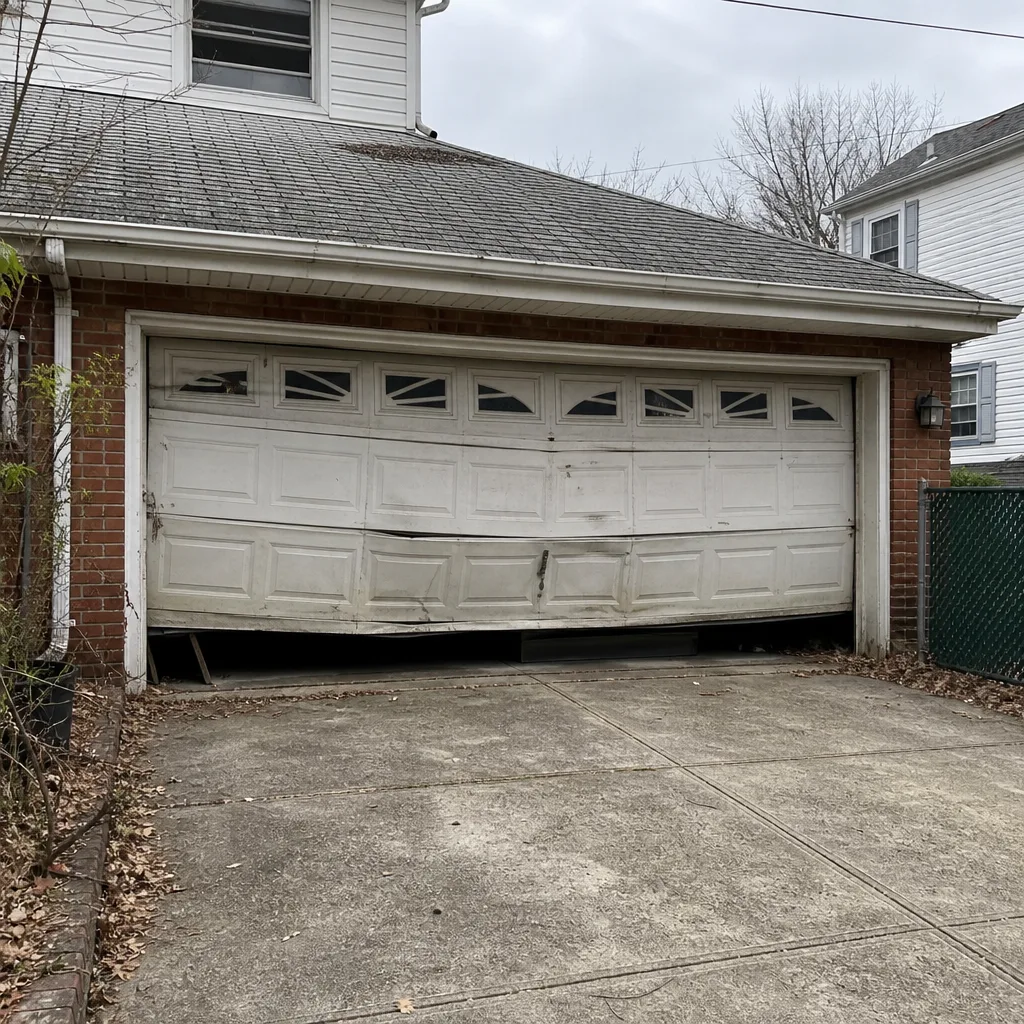 Before
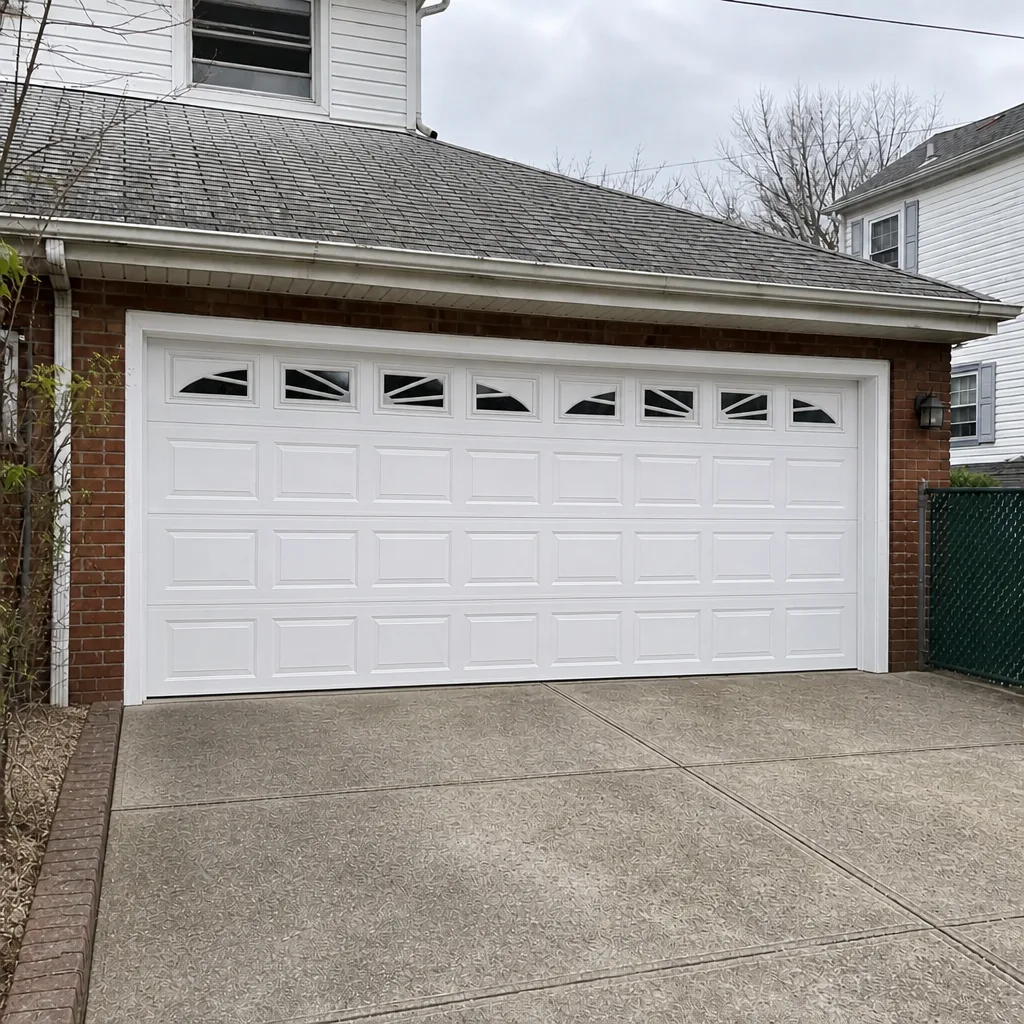 After
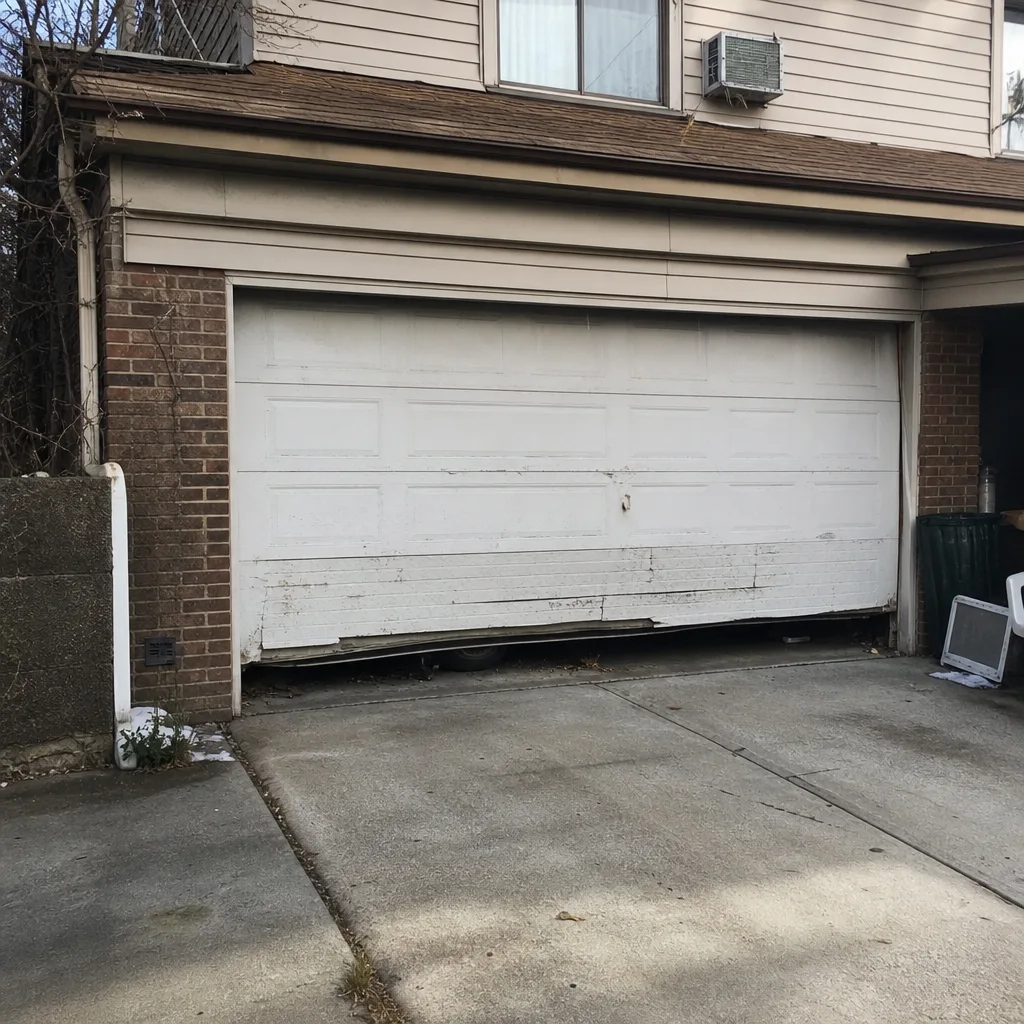 Before
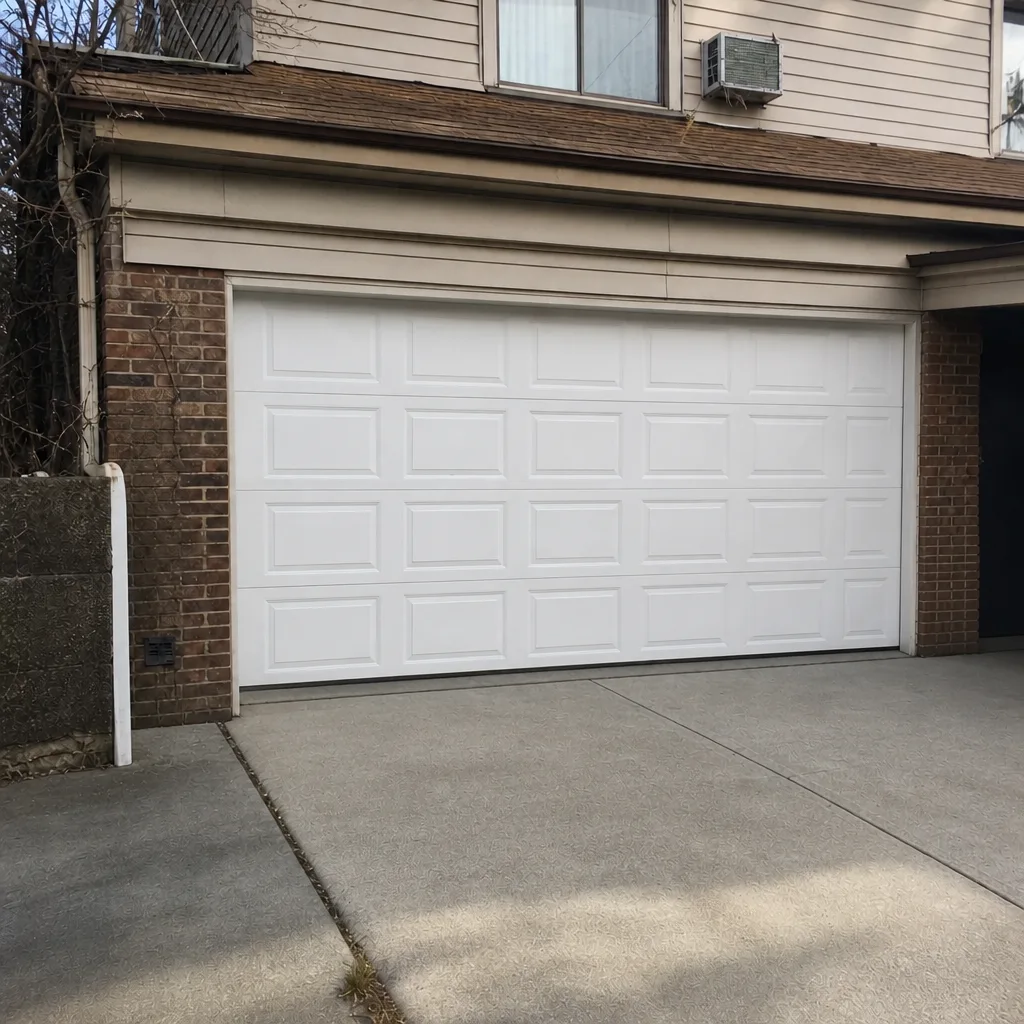 After
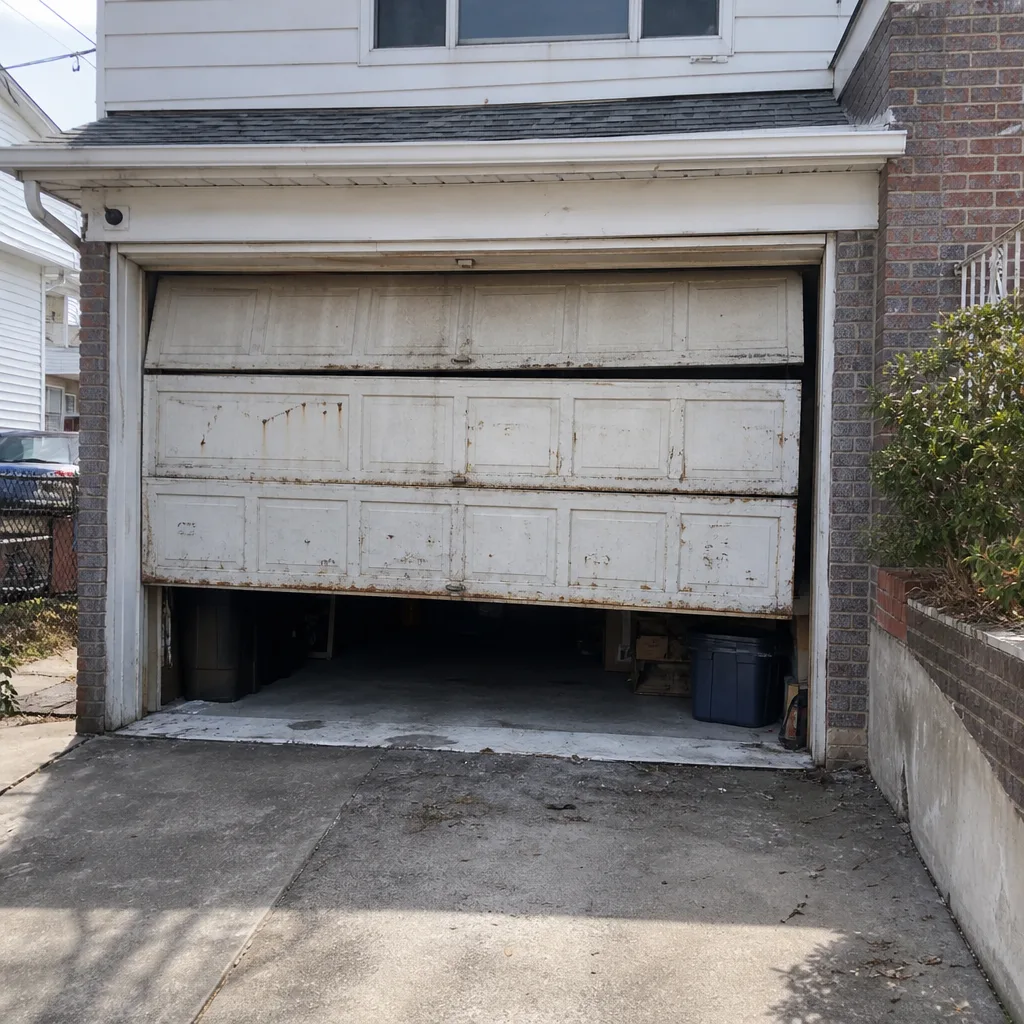 Before
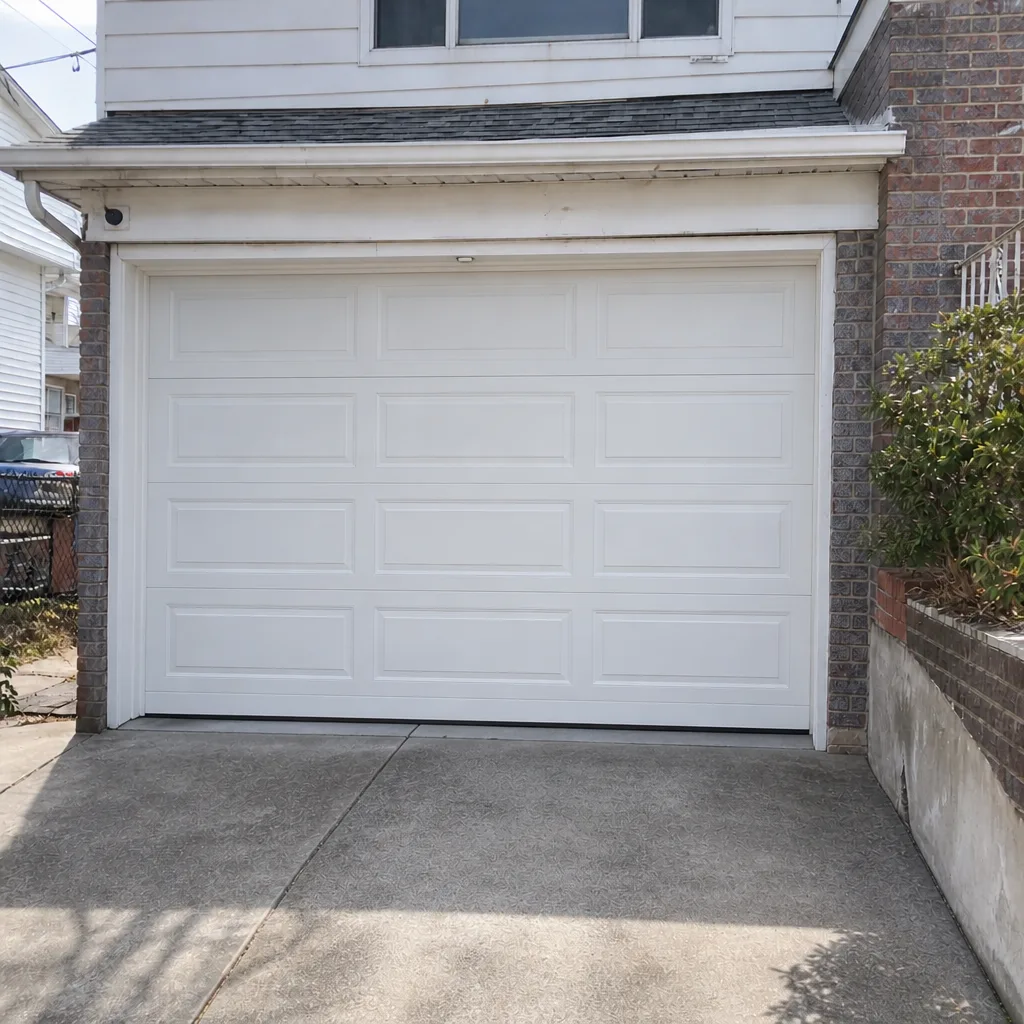 After
When to Call a Professional
Some garage door problems are safe to handle with a remote and a flashlight; others aren’t. Call a specialist when a spring snaps or the door won’t balance, when the door comes off its track, when the opener runs but the door doesn’t move, or when a panel is bent and the door won’t close flush. Those situations involve heavy tension or structural alignment that a homeowner shouldn’t tackle alone. If your Flushing garage door is stuck open and your home isn’t secure, that’s an urgent call, not a weekend project. Same-day service is available for urgent failures, and we answer 24/7. Garage Door Repair Flushing offers free estimates in Flushing – call (855) 337-1761.
Frequently Asked Questions
Typical repair costs in Flushing range from about $150 to $350 for a single-spring replacement, with a matched pair running roughly twice that; smaller fixes like a roller or hinge often cost less. The written estimate sets the final price. Call (855) 337-1761 for an exact quote – estimates are free.
A like-for-like replacement of the same size and opening usually doesn’t require a permit, but a replacement that changes the opening or the structure around it can. Call your local building department before any structural change and describe your plan; they’ll tell you if a permit is needed.
Yes, same-day service is available for urgent failures like a broken spring or a door stuck open. We answer 24/7 and dispatch from 7am to 7pm, Sunday through Friday, so call (855) 337-1761 and we’ll book the earliest opening.
No. We give you a written price before any work starts, and you agree to it before we begin. The estimate is based on what we find on-site, so the number you approve is the number for the job.
The local professionals we connect you with are licensed and insured as New York requires, and our technicians have up to 11 years of experience. If you have a specific question about credentials, ask when you call (855) 337-1761.
We work on the eight major brands found in Flushing garages: LiftMaster, Chamberlain, Genie, Clopay, Amarr, Wayne Dalton, Craftsman, and Raynor. If you know your door or opener brand, mention it when you call; it helps us bring the right parts.
The Bottom Line
Garage doors in Flushing are different from the national-average door a generic guide describes. The lot is tight, the climate is humid, the housing stock is older, and the permitting rules catch people off guard. Measure carefully, choose a door material rated for humid environments, match the opener to your garage, and know when a repair is the right call versus a replacement. When a spring snaps or the door won’t close, call a specialist rather than a generalist. For repair, opener service, spring repair, or a full new door, Garage Door Repair Flushing offers free estimates in Flushing. Call (855) 337-1761. We answer 24/7. Fast dispatch from 7am to 7pm, Sunday through Friday.
Written by the team at Garage Door Repair Flushing.