
Last updated November 20, 2026
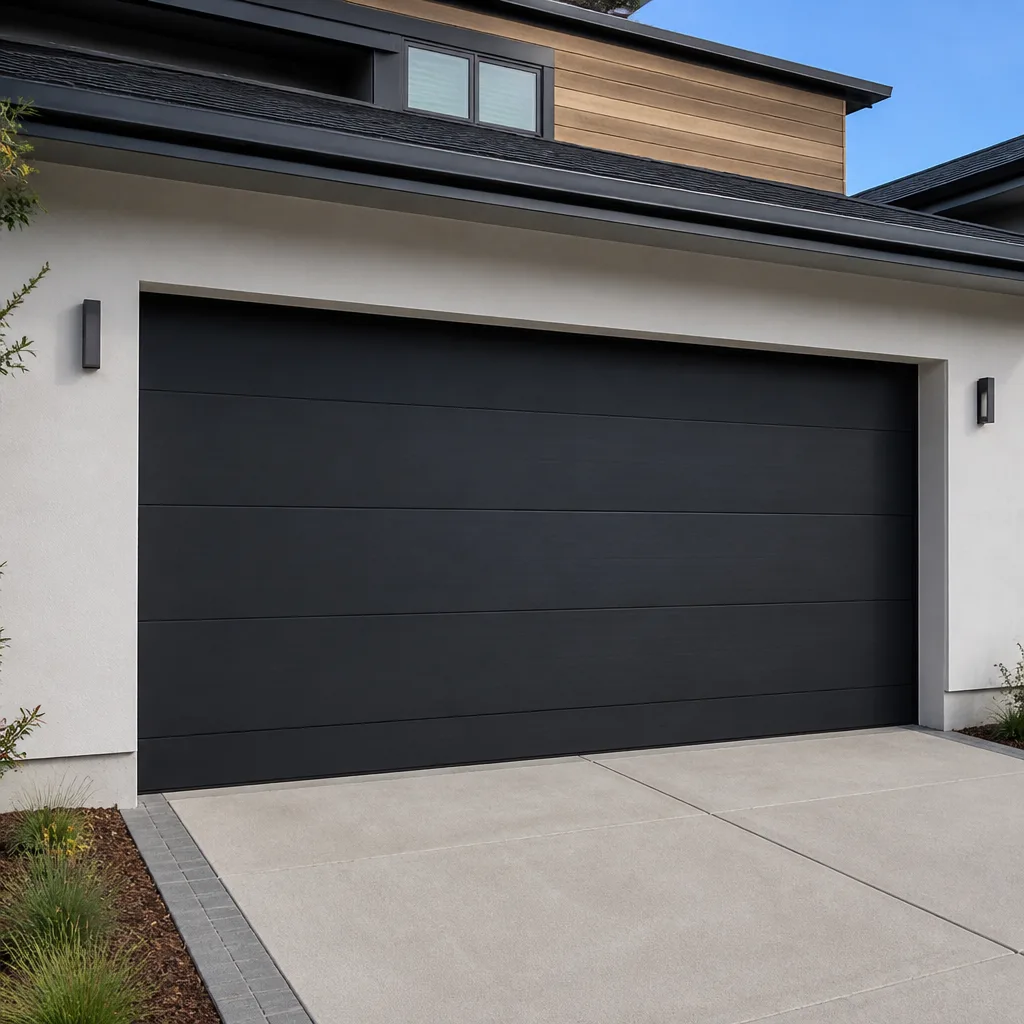 Modern flush
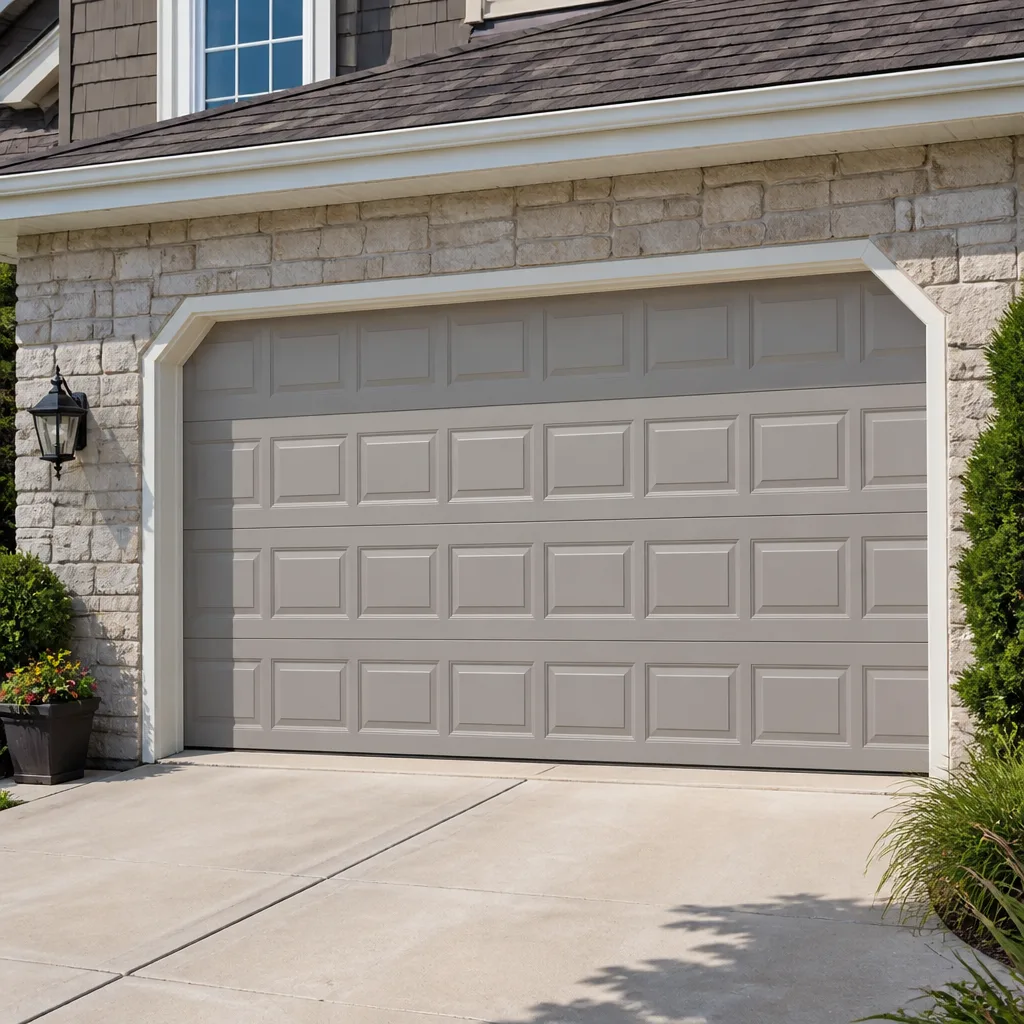 Raised-panel steel
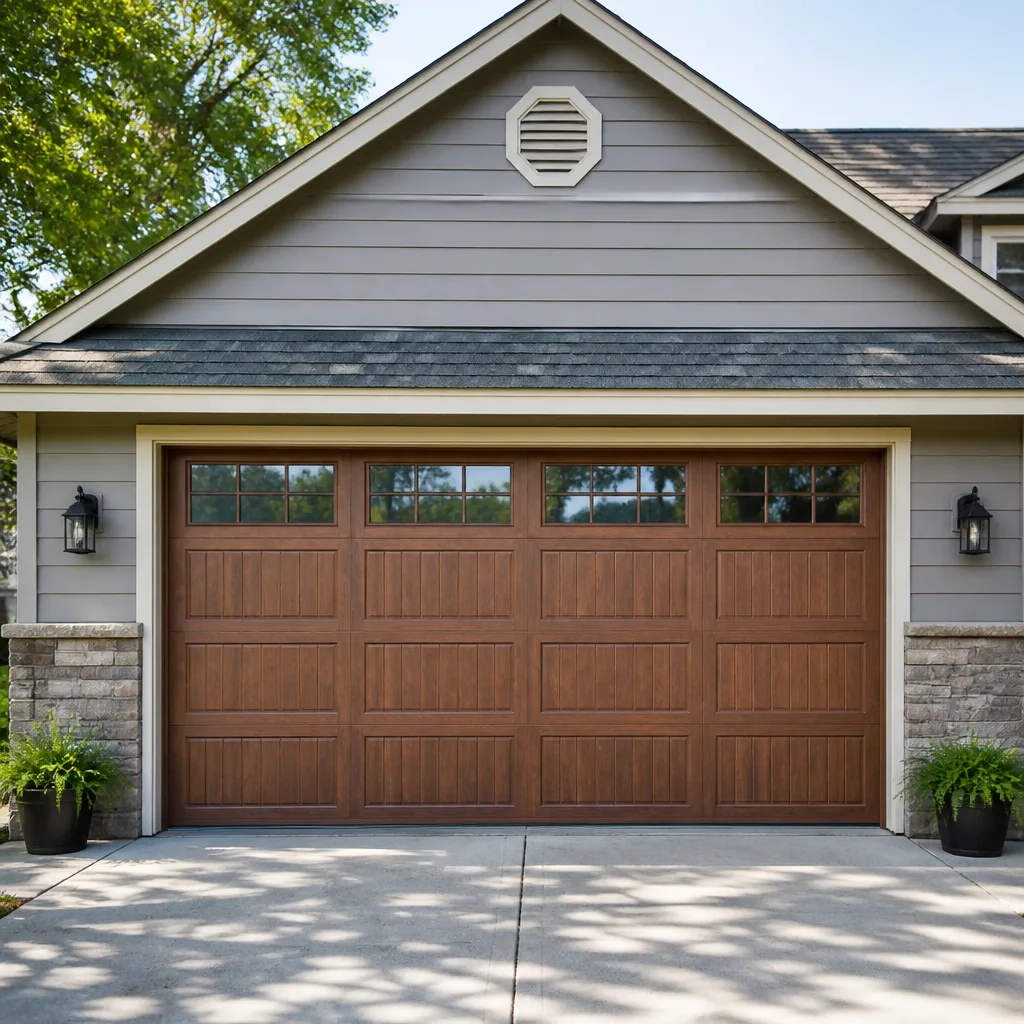
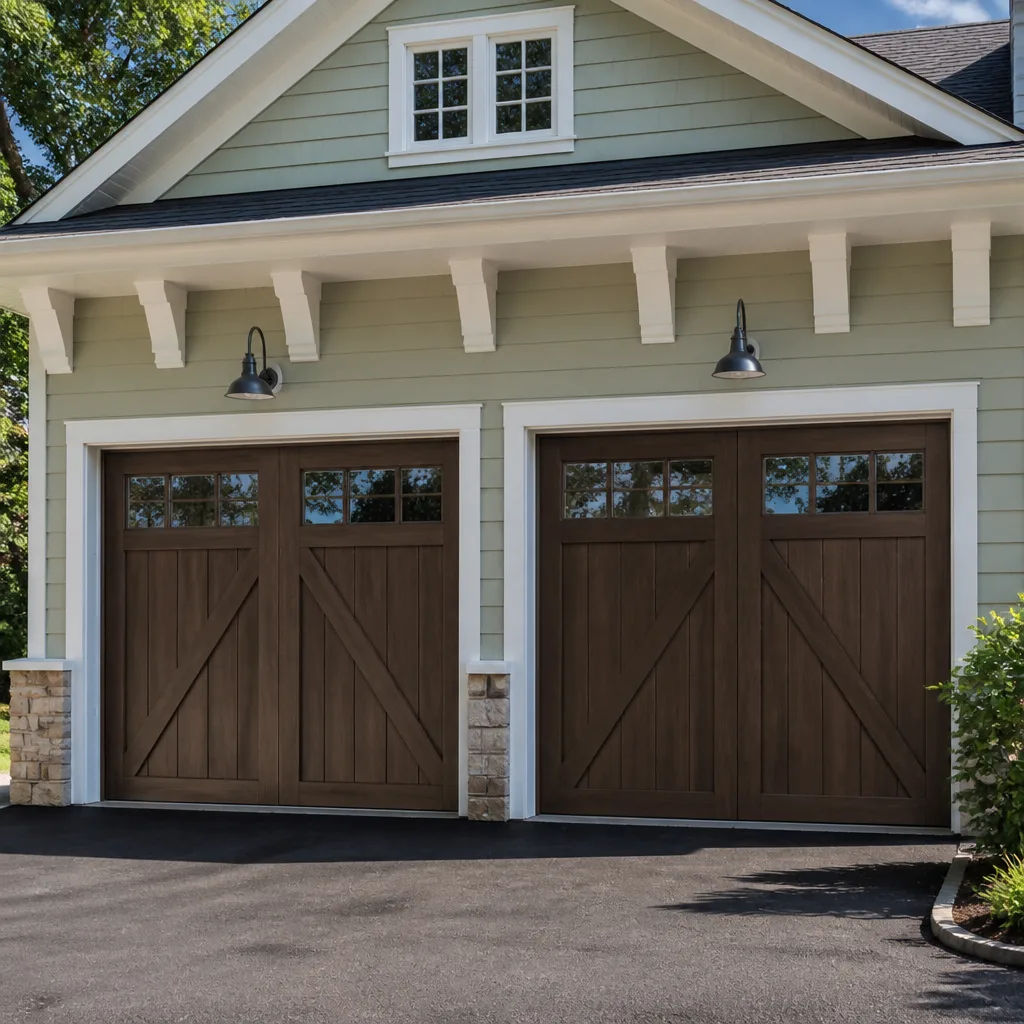 Carriage house
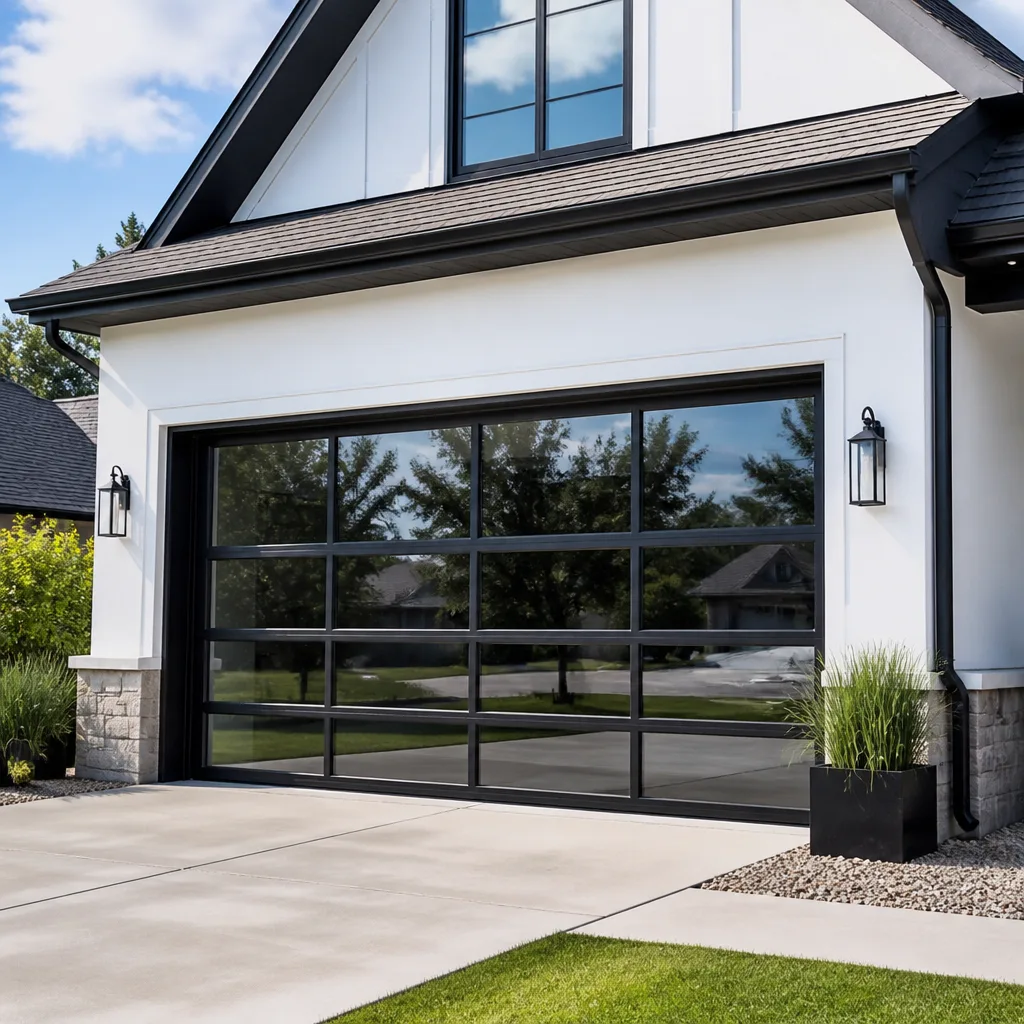 Full-view glass
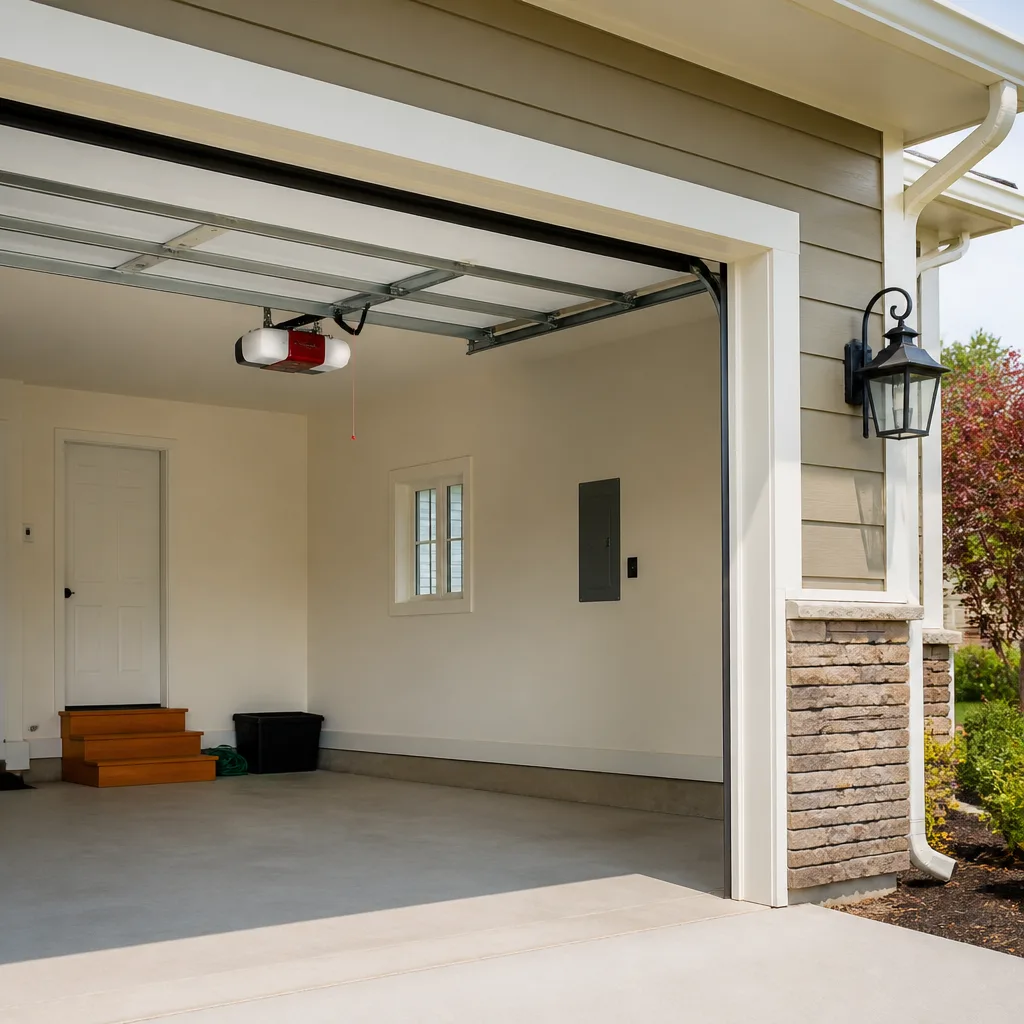 LiftMaster openers
 Chamberlain openers
Full 25-point door and opener safety check with every visit - springs, cables, rollers, tracks, and your LiftMaster or Chamberlain opener included
You get a price before we start. It does not change when the pro arrives.
Get your free estimateSeasonal Garage Door Care for Flushing: Year-Round Homeowner’s Guide
Most homeowners think a garage door either works or it doesn’t, and that the only maintenance it ever needs is a new battery in the remote. That’s the misconception that keeps spring repair specialists busiest. In Flushing, a garage door faces four genuinely different seasons – each one stressing the door in a different way. Cold contracts steel. Humidity swells wood. Salt spread on driveways and sidewalks creeps onto bottom brackets. And the temperature swings of spring work loose the very fasteners that hold your tracks in line. None of this happens overnight, which is exactly why a ten-minute check four times a year prevents most emergency calls. This guide walks you through a quarter-by-quarter routine built specifically for Flushing homes, so you know what to look at, when to look, and when to stop and call a professional.
Styles & brands we work with
- Raised-panel steel
- Carriage house
- Modern flush
- Full-view glass
- LiftMaster openers
- Chamberlain openers
Quick Answer
Garage doors in Flushing need a short seasonal check four times a year: a pre-freeze tune-up in fall (seal, tracks, cables), a no-forcing rule and light lubrication in winter, a corrosion inspection in spring after road salt season, and a humidity and alignment check in summer. Most emergency calls we see trace back to one skipped season. Handling the routine items yourself is fine – springs and cables are not.
Table of Contents
- Why Seasonal Care Matters More in Flushing Than in Most Places
- Fall: The Pre-Freeze Prep That Prevents Winter Failures
- Winter: Cold, Tension, and the Frozen-Door Rule
- Spring: The Post-Salt Corrosion Inspection
- Summer: Humidity, Swollen Tracks, and Wood Doors
- Your Printable Seasonal Task Calendar
- What You Can Safely Check Yourself
- Common Mistakes to Avoid
- When to Call a Professional
- Frequently Asked Questions
Why Seasonal Care Matters More in Flushing Than in Most Places
Flushing sits in a climate with real seasonal range. Summer heat waves push garage interiors well above outdoor temperatures, especially in uninsulated garages. Winter mornings drop cold enough to make metal brittle and stiffen lubricant into something closer to wax than oil. Spring arrives with moisture, and road salt tracked in on tires and boots settles on low hardware. Then the temperature swings of fall start the cycle again.
Each of those conditions attacks a different part of your door. Cold shortening a steel torsion spring changes the tension equation. Humidity swelling a wood panel puts pressure on the tracks. Salt sitting on a bottom bracket quietly starts corrosion that nobody notices until the bracket fails. The failure isn’t random – it follows the calendar, which means you can get ahead of it.
Flushing’s housing stock adds another wrinkle. A lot of garages here are older, attached, and unheated, which means the door and its hardware experience near-outdoor temperatures. Detached garages run even colder and wetter. Homes near Main Street and along thebusier corridors deal with more salt and grit kicked up by traffic, while quieter residential blocks see more leaf and debris buildup in the tracks each fall. These aren’t dramatic differences, but over twelve months they add up.
The good news is that the fix is cheap and quick: a routine. Ten minutes four times a year catches most of what turns into an emergency call. Here’s how to run it. If you’d rather have a specialist look the door over once and tell you what it needs, Garage Door Repair Flushing handles that and everything below.
Fall: The Pre-Freeze Prep That Prevents Winter Failures
Fall is the most important season for your garage door, because it’s the last easy chance to address problems before cold makes them worse. The goal here is simple: get the door into the best possible condition before the first hard freeze, so winter has less to work with.
Three items matter most in the fall pass.
- Seal compression. Check the bottom weather seal along the full width of the door. Look for compression set – the rubber flattened permanently so it no longer springs back against the floor. A seal that has lost its rebound lets cold air, snow, and water under the door all winter. If the seal looks flattened or torn, plan to replace it before the cold sets in.
- Track alignment. Run the door by hand (with the opener disconnected, following the manufacturer’s instructions) and watch the rollers in the tracks. Any wobble, rubbing, or binding that you can feel now will get worse when cold stiffens the rollers. Tracks that are slightly out of plumb should be corrected before winter.
- Cable tension. Visual inspection only. Look for frayed strands, kinks, or a cable that has jumped a drum. Cables are under extreme tension and are not a do-it-yourself item – if anything looks off, stop and call a specialist.
After the three main checks, lubricate. Apply a garage door lubricant to hinges, rollers, and the torsion shaft bearings – not to the tracks themselves, which should stay dry so the rollers roll rather than slide. A properly lubricated door runs quieter and moves with less strain, which matters more when the metal is cold.
Finish by testing the safety reverse. Put a small object under the door and close it. The door should reverse on contact. That test is quick and it’s worth doing every season, not just in fall.
One Flushing note: if your garage faces a street that gets plowed or salted, fall is also a good time to look at the bottom corners of the door. That’s where grit and salt collect first.
Winter: Cold, Tension, and the Frozen-Door Rule
Winter is when torsion spring failures cluster. A steel torsion spring doesn’t age faster in cold – the tension it carries changes as the metal contracts. A spring that was already near the end of its cycle count or was never lubricated in the fall is the one most likely to let go on the coldest morning. February is the peak month for torsion spring failures in the Northeast, and it isn’t coincidence.
The single most valuable winter rule is this: never force a frozen door. If the door feels stuck, don’t hold the opener button down and don’t pull harder by hand. Forcing a frozen door can strip gears in the opener, crack panels, and in the worst case cause a spring or cable to fail suddenly. Instead:
- Look for ice around the bottom seal and the door’s contact points with the floor.
- Check whether the rollers are frozen in the tracks.
- If you can safely free ice with warm water (not hot, and never a flame or heat gun near the door), do so gently, then let the door dry.
- If it still won’t move, stop. A stuck door is a repair call, not a wrestling match.
Winter lubrication matters too, but use a product rated for cold temperatures. A standard lubricant can thicken in the cold and make the door harder to move, which is the opposite of what you want. Wipe old lubricant off and re-apply a small amount of cold-rated door lubricant.
Watch the opener in winter as well. Older openers and older remotes act up in the cold, and a door that won’t close from the car is often a signal that the opener’s force settings or the safety sensors need attention. We work on Genie, LiftMaster, and Chamberlain systems year-round, and winter call-outs are frequently a combination of a stiff door and an opener asked to work harder than it should.
If a spring does fail – a loud bang from the garage, a door that won’t lift, or a door hanging crooked – keep everyone clear and call a specialist. Springs are the most dangerous part of the system and the part most often mishandled by people who shouldn’t be touching them.
Spring: The Post-Salt Corrosion Inspection
Spring is inspection season, and the focus is corrosion. All winter, road salt and de-icing grit have been tracked into your garage on tires and boots. That salt settles on the lowest hardware first: the bottom brackets, the bottom hinges, the bottom seal track, and the lower rollers. If left alone, corrosion eats away at metal that carries real load.
Here’s the spring inspection routine:
- Bottom brackets and hinges. Look for white or orange corrosion, pitting, or any sign the metal is thinning. Bottom brackets are under load and are a critical safety point – if one looks compromised, don’t try to remove it yourself.
- Door bottom and seal. Check the seal’s underside for rust staining, splitting, or grit trapped against the floor. A clean seal seats better and lasts longer.
- Track interior. Salt and grit collect in the lower tracks. Wipe them dry and clear. Don’t oil the tracks – just clean them.
- Hardware fasteners. Look for loose bolts on hinges and brackets. A quarter-turn on visible bolts with a proper wrench is fine; don’t force anything that’s seized.
After the inspection, lubricate the moving parts again for the spring and clean the tracks. Spring is also a good time to run the safety reverse test again, since winter grit can throw the sensor alignment off.
New York’s freeze-thaw cycle is hard on the slab and the door seal alike. If your garage floor has shifted or cracked over the winter, the door may no longer be sealing evenly, and adjusting the seal is easier than replacing a door panel that has been stressed by a bad floor line. If you’d rather have a trained eye look at the whole door after salt season, a professional tune-up is the sort of thing garage door repair appointments cover every spring.
Summer: Humidity, Swollen Tracks, and the Heat
Summer seems like the easy season for a garage door, and in many ways it is. But New York City heat waves and the humidity they bring create two specific problems.
The first is warp and swell. Wood doors absorb humidity and can swell or warp, which shows up as a door that rubs, sticks, or pulls to one side. In Flushing, where many garages are older and unheated, summer humidity inside the garage can be substantial. If you have a wood door, check the panels for bowing and make sure the finish is intact – moisture gets in fastest where paint or stain has worn away.
The second is track swelling. Steel tracks in an uninsulated garage expand in the heat, and a track that was fine all winter can bind against the rollers when it heats up. If the door suddenly runs rougher in July, that’s often why. Watch for:
- Rollers that squeak or grind during the hottest part of the day.
- A door that closes unevenly or hesitates mid-travel.
- Loose or widened track mounting brackets as the metal moves.
Summer is also when the opener’s electronics get stressed by heat. If your opener has been making odd noises, running slower than usual, or failing to close reliably, the heat is worth keeping in mind. We repair openers from Clopay and LiftMaster systems and most major brands, and a summer tune-up often catches a failing opener before a cold-season failure.
One more summer habit: keep the area around the door clear. In summer, the garage is often a storage overflow for bikes, boxes, and yard equipment. The safety reverse of your door will work harder if the door has to push against clutter, and the sensors need a clear line of sight. A few minutes of cleanup now prevents a lot of false reversing later.
Your Printable Seasonal Task Calendar
Here’s the whole routine on one page. Print it out and tape it inside the garage door jamb, where you’ll see it every time you go in.
FALL – Pre-Freeze Prep
- Check bottom seal compression along the full door width.
- Watch rollers in tracks while running the door by hand; look for binding.
- Visually inspect cables for fraying or kinks; call a professional if anything looks off.
- Lubricate hinges, rollers, and bearings (not tracks).
- Test the safety reverse with a small object under the door.
- Clear grit and salt from the bottom corners.
WINTER – Cold Season
- Never force a frozen door.
- Apply cold-rated lubricant if the door feels stiff.
- Check for ice around the seal and at floor contact points.
- Watch for opener trouble in the cold.
- If a spring fails, keep clear and call a specialist.
SPRING – Post-Salt Corrosion Check
- Inspect bottom brackets and hinges for corrosion or pitting.
- Check the underside of the bottom seal for rust staining or splitting.
- Clean the lower tracks and wipe them dry.
- Check bolts on hinges and brackets; snug up anything loose.
- Retest the safety reverse.
SUMMER – Humidity Season
- Check wood door panels for warping or swelling.
- Touch up finish on wood doors where paint or stain has worn.
- Watch for binding tracks on hot days.
- Check the opener for odd noises or slow operation.
- Clear stored items away from the door and sensors.
That’s the whole routine: four seasons, four short lists, and most of the work is looking rather than doing. The garage door opener repair and tune-up calls we handle around Flushing year-round often come from doors where one or two items on this list had been ignored for a couple of seasons.
What You Can Safely Check Yourself
Not everything on this guide belongs in homeowner hands, and the difference matters. Here’s the clean split.
Safe to do yourself:
- Visual inspections of seals, tracks, hinges, and brackets.
- Lubricating hinges, rollers, and bearings with a proper door lubricant.
- Cleaning tracks and wiping away salt and grit.
- Testing the safety reverse.
- Clearing stored items away from the door and sensors.
- Snugging visible bolts that have worked loose.
- Touch-up painting or staining on a wood door.
Not safe – call a professional:
- Any work on torsion or extension springs.
- Any work on cables, drums, or the center bearing plate.
- Replacing a spring, even if you’ve watched a video that makes it look simple.
- Repairing a bent or damaged track that is under load.
- Electrical work on the opener’s wiring.
- Anything involving the bottom bracket, which is under cable tension.
Springs and cables carry stored energy that can cause severe injury if released uncontrolled. The torsion bar, the cables, and the bottom brackets are all tied to that energy, which is why they’re the one part of this guide that says: look, don’t touch. Our technicians have up to 11 years of experience with that exact hardware, and we’d rather you call than improvise.
Full replacements, when a door has reached the end of its life, are a different project entirely. Garage door installation starts with a free measure and a written price, and it’s scheduled rather than rushed – a new door is ordered against measurements, not pulled off a shelf.
Common Mistakes to Avoid
- Forcing a frozen door. The door sticks, so you hold the opener button down. That’s the fastest way to strip opener gears or damage a panel. Stop, investigate why it’s stuck, and let the door stay shut until it moves freely.
- Oiling the tracks. It feels like it should help, but oil in the tracks collects grit and makes rollers slide instead of roll. Lubricate the moving parts and hinges, and keep the tracks dry.
- Skipping the fall lubrication pass. A door that hasn’t been lubricated by the time the cold hits will run stiffer all winter, and stiffness is exactly what turns a tired spring into a broken one.
- Ignoring salt at the bottom of the door. Flushing winters bring salt onto the driveways and into the garage, and it settles on the bottom brackets and hinges. A quick wipe in spring is far cheaper than a bracket replacement later.
- Adjusting the opener’s force setting to “fix” a stiff door. Turning up the force doesn’t make a stiff door easier to move; it makes the opener work harder and hides the real problem. The door should move easily by hand.
- Assuming the safety reverse still works. Test it every season. It’s the cheapest five seconds you’ll spend on the door all year.
- Waiting until spring to look at a wood door. A wood door that has been taking on moisture through a worn finish will swell and warp over the humid months. Touch up the finish before the humidity peaks, not after.
- Treating spring repair as a DIY job. Springs and cables store dangerous energy. Replacing a spring is not the same as tightening a bolt, and a mistake on the torsion bar can cause serious injury.
When to Call a Professional
Most seasonal checks you can do yourself. The calls that need a specialist are the ones involving springs, cables, and anything under load. If a spring has broken (a loud bang, a door that won’t lift, or one hanging crooked), stop and call. If a cable looks frayed or has jumped its drum, call. If the door has come off its tracks, or a panel has bent and the door binds as it moves, that’s a repair, not an adjustment. If the opener runs but the door doesn’t move, or if the door reverses for no reason, that’s an opener call.
For anything on that list – or if you’d just rather have a specialist run through the seasonal checklist once and give you a written summary – Garage Door Repair Flushing offers free estimates in Flushing. Call (855) 337-1761. We answer 24/7. Fast dispatch from 7am to 7pm, Sunday through Friday. The price is quoted and agreed before any work starts, and the written estimate is what sets the final price. Our technicians have up to 11 years of experience, and we work on your brand – LiftMaster, Chamberlain, Genie, Clopay, Amarr, Wayne Dalton, Craftsman, and Raynor.
Frequently Asked Questions
Four times a year is the right rhythm in this climate – once per season, following the calendar in this guide. The fall and spring passes are the most important, since they bookend the cold season and the salt season. A single professional tune-up a year, ideally in fall, catches anything the seasonal checks turn up.
Winter is when the cumulative effect of cold-contracted metal and skipped fall lubrication reaches its breaking point. A steel torsion spring carries different tension as the metal contracts, and the springs that fail are usually the ones that were already worn or under-lubricated before the cold arrived. February is the peak month for torsion spring failures in the Northeast. If a spring goes, keep everyone clear and call a specialist.
Yes. Lubricating hinges, rollers, and bearings is a safe homeowner job. Use a garage door or white lithium lubricant, and apply it to the moving parts, not the tracks. In winter, switch to a cold-rated lubricant so it doesn’t thicken. Wipe off old lubricant before applying new.
Test it every season. Place a small object under the door and close it. The door should reverse on contact rather than pressing down. If it doesn’t, the opener’s safety sensors or force settings need attention, and you should call a professional to check the opener – a door that doesn’t reverse safely is a serious risk.
It can be, especially in unheated garages. Steel tracks expand in heat and wood doors swell with humidity, so a door that ran fine all winter can bind in July. Check for loose or widened track brackets and look at wood panels for warping. If the binding continues, a professional can adjust the tracks and hinges.
Most cities require a permit for structural or installation work, so ask the city’s building department before replacing a door. The rules can also depend on the property and the type of work. When in doubt, ask first – a call to the building department is quicker than discovering a problem at inspection.
Stop and call if a spring is broken, the door comes off its tracks, a cable looks frayed or has slipped, the door binds when you move it by hand, or the opener runs but the door doesn’t move. Those are the signs that a cheap seasonal check just became a repair. Call (855) 337-1761 for an exact quote – estimates are free.
The Bottom Line
Four seasons, four short lists, and most of the work is looking rather than doing. Fall prep gets the door through the cold, winter is about not forcing a frozen door and keeping the metal lubricated, spring is about salt corrosion on the low hardware, and summer is about humidity, warped wood, and swollen tracks. The routine catches the small problems before they become emergency calls, and the one part you never touch yourself is springs and cables. If a check turns up anything under load, call a specialist, and run the seasonal list again next quarter.
If you’d like a specialist to work through the checklist with you once, we offer free estimates in Flushing. Call (855) 337-1761. We answer 24/7. Fast dispatch from 7am to 7pm, Sunday through Friday.
Written by the team at Garage Door Repair Flushing.
See the difference
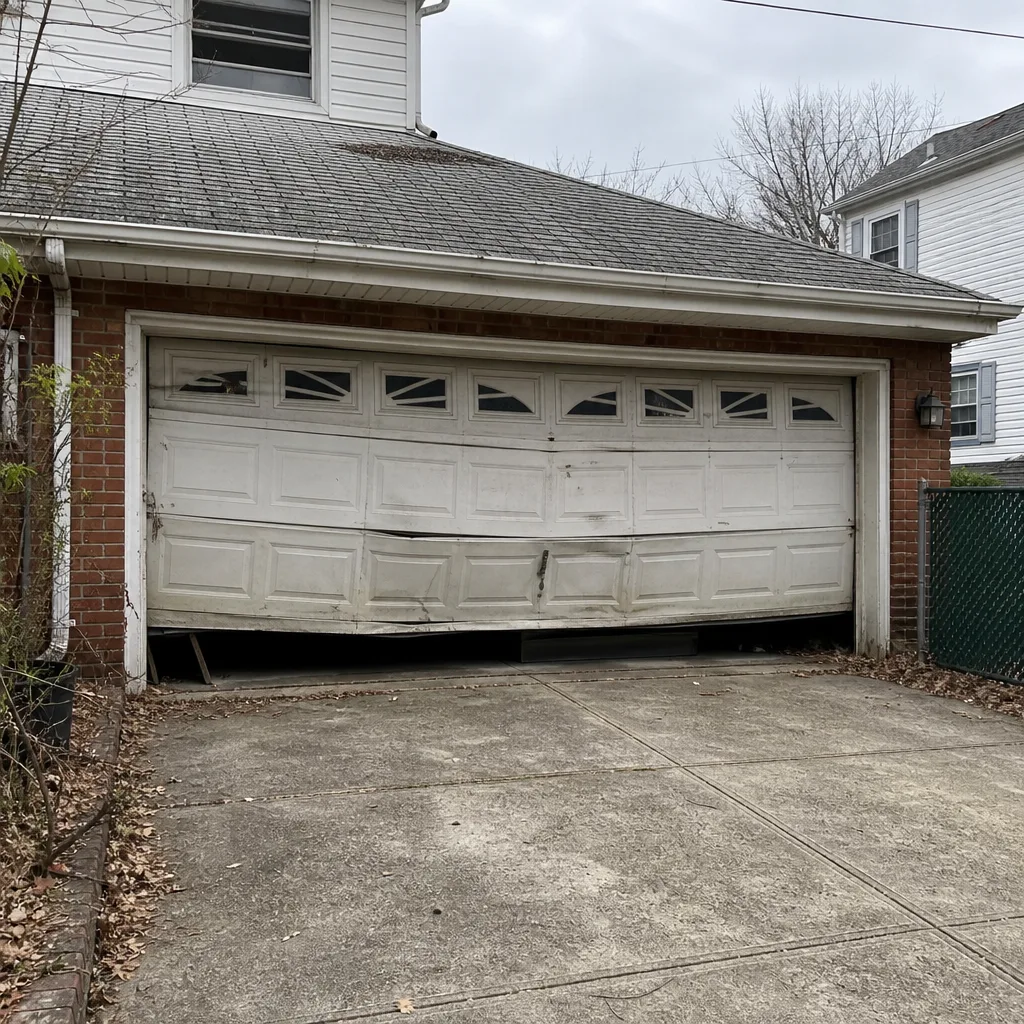 Before
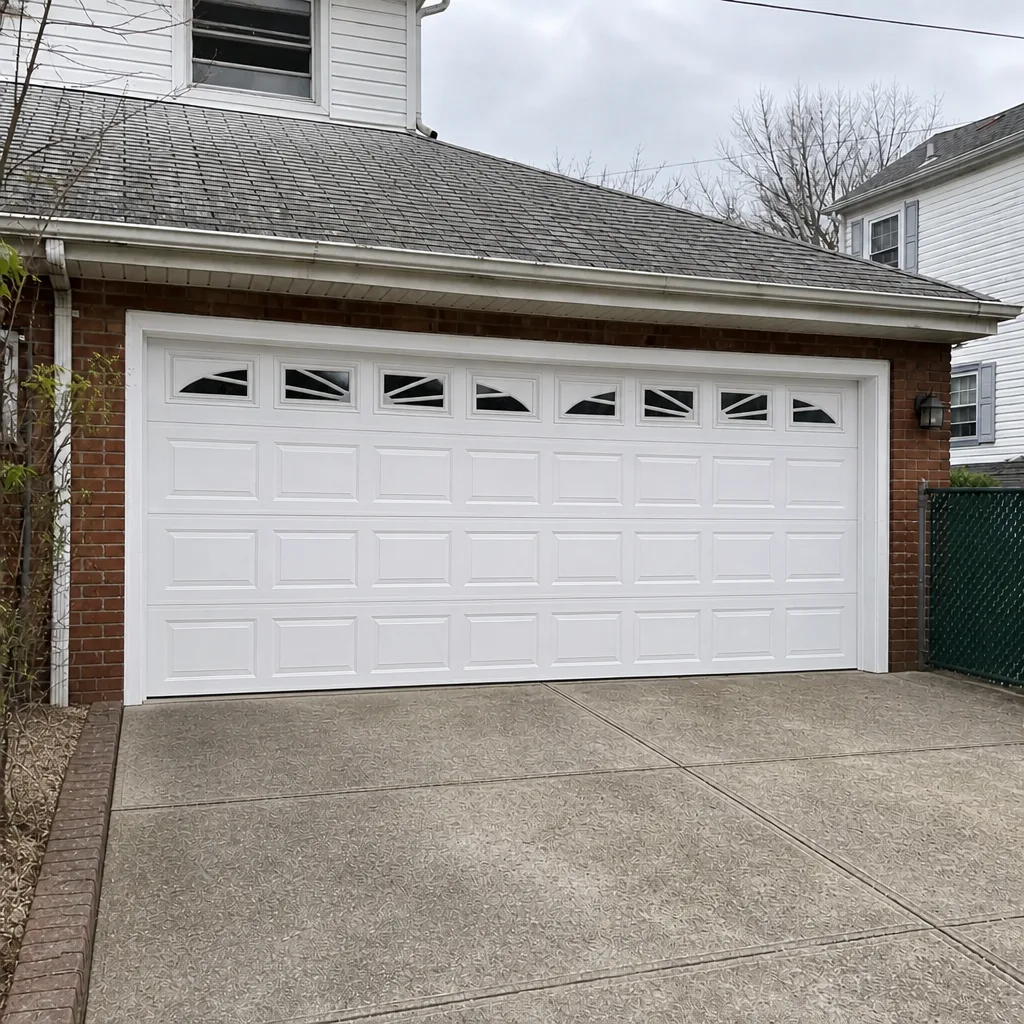 After
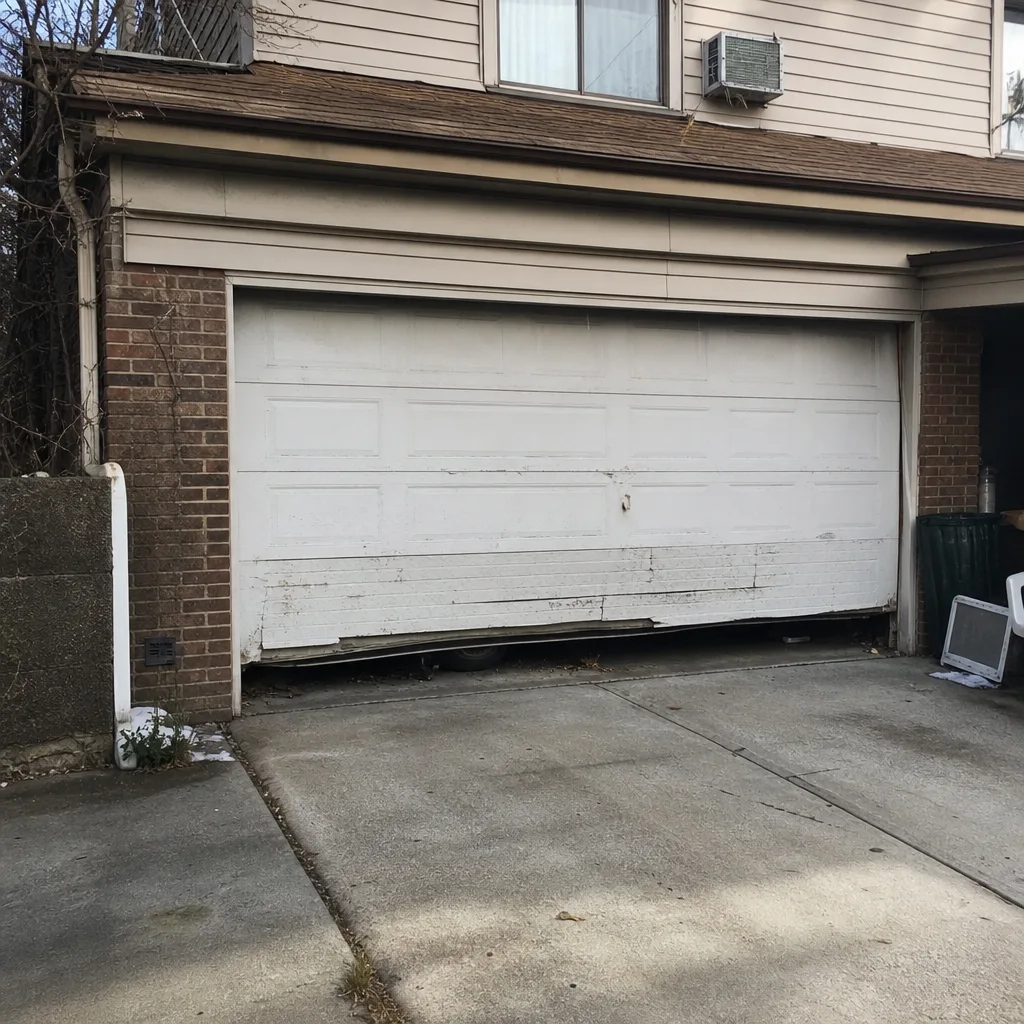 Before
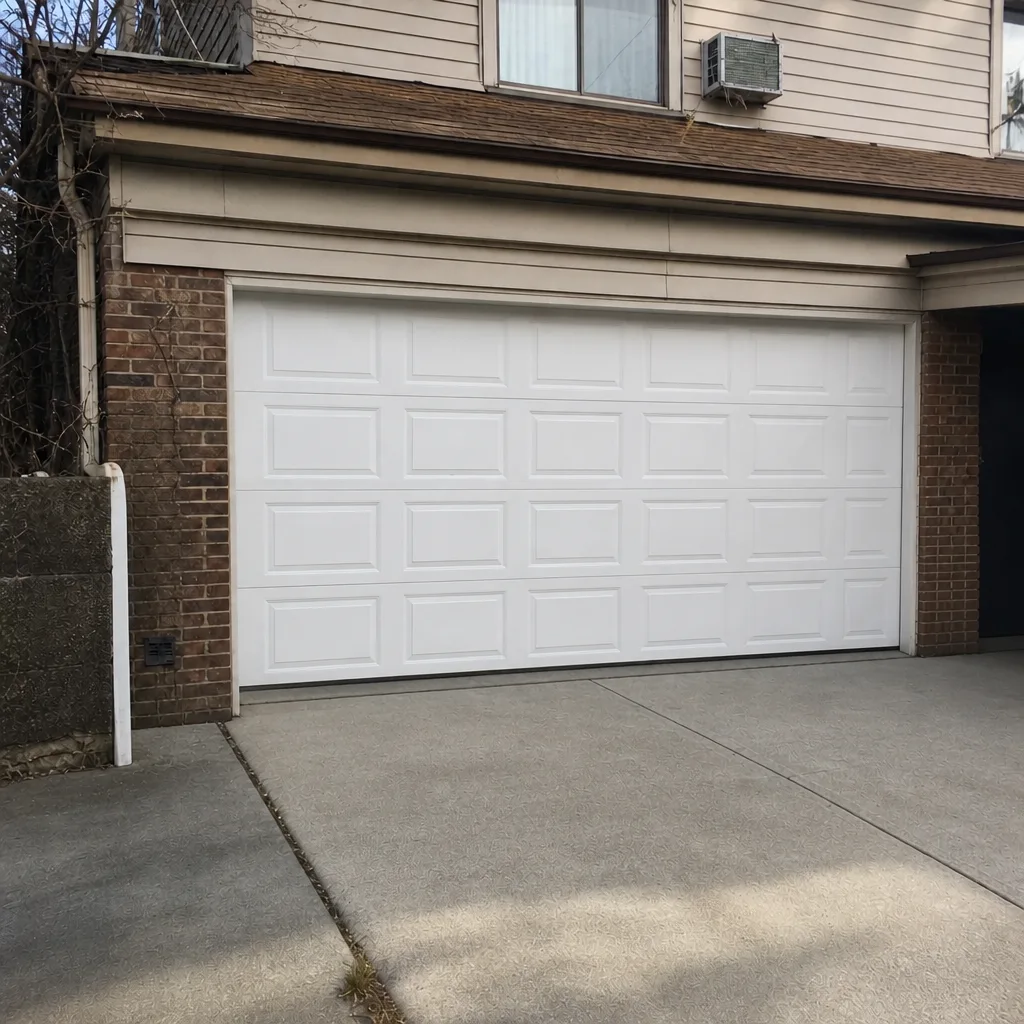 After
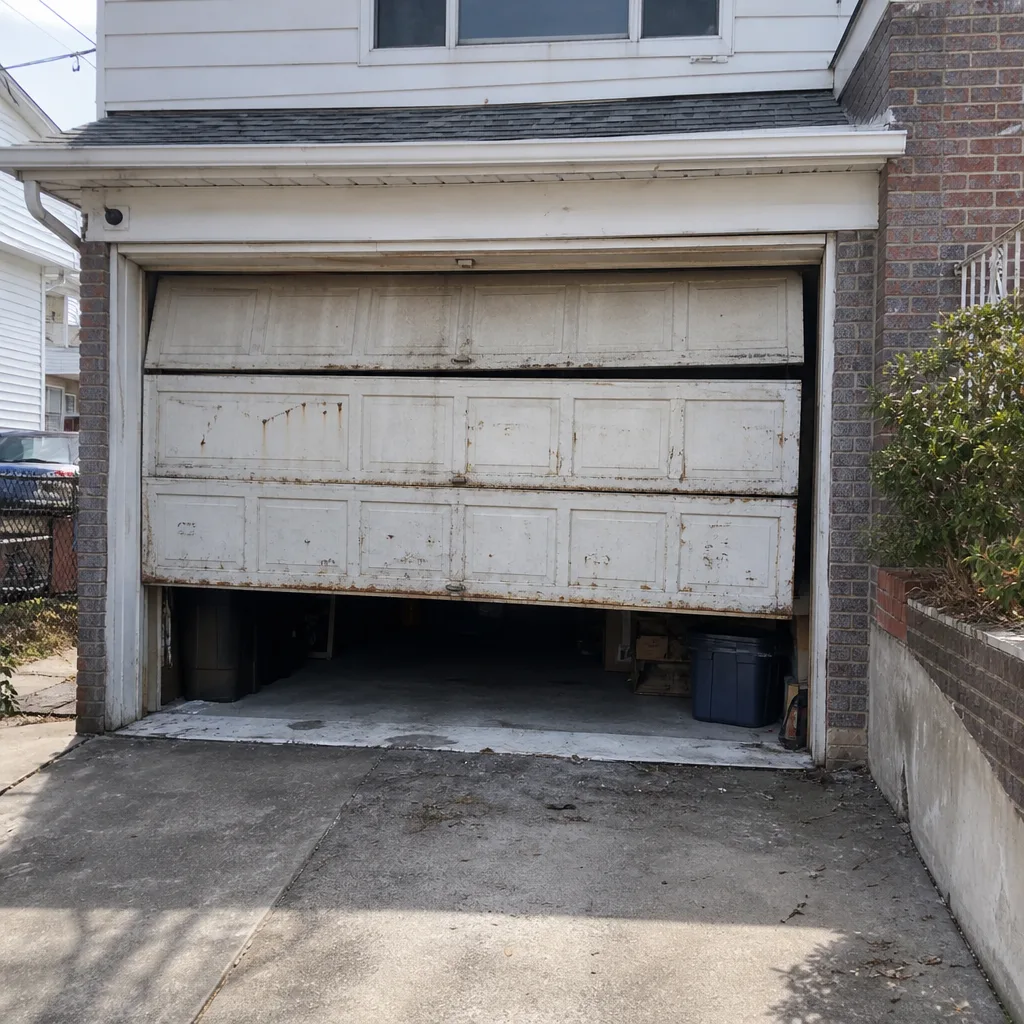 Before
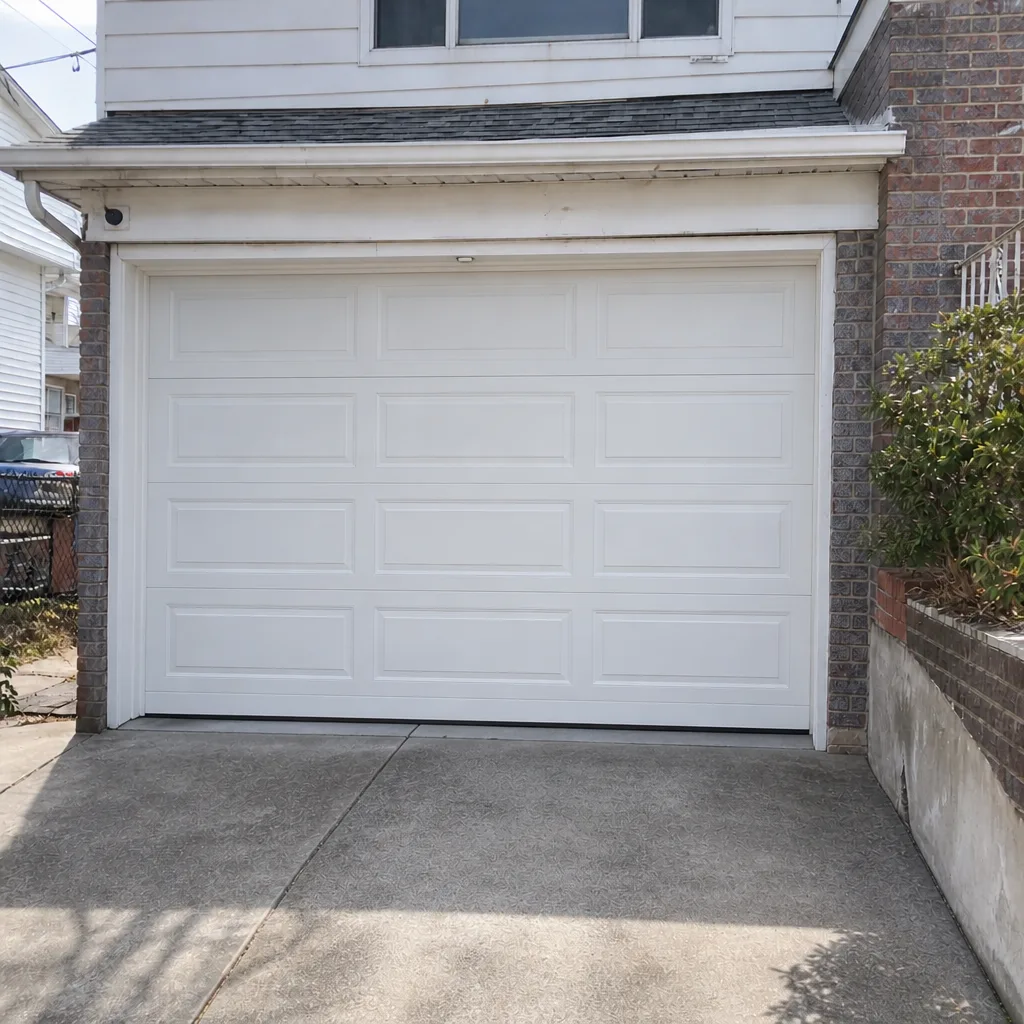 After